The Solemnity of the Most Holy Body and Blood of Christ (C), June 22, 2025
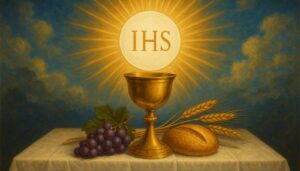
The Eternal Priesthood, the Eucharist, and the incredible Miracle of Abundance
Gen 14:18-20; Psalm: 109; 1Cor 11:23-26; Lk 9:11b-17
Dear brothers and sisters in Christ, Today, we celebrate the solemnity of the Most Holy Body and Blood of Christ, and we will reflect on the profound mystery of the Eternal Priesthood, the Eucharist, and the incredible Miracle of Abundance. We will reflect on the sacred scriptures that reveal God’s unending love and provision for each of us. We begin in the Book of Genesis, where we encounter a remarkable figure, Melchizedek.
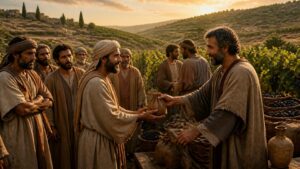
In today’s first reading, we read about him as he meets Abram, offering bread and wine, a symbol of blessing. Melchizedek stands as a forebear of Christ, the eternal High Priest, foreshadowing the priesthood that Christ would fulfill. Melchizedek’s priesthood is unique. It is not defined by lineage or the law but by a divine appointment. Like Abram, we too are called to recognize the significance of this holy encounter. Just as Abram received Melchizedek’s blessing, we are invited to acknowledge the sacredness of the priesthood.
In the Old Testament, we often find ourselves looking through a lens that misses the fullness of God’s revelation. But when we look with Eucharistic eyes, we see that every sacrifice, every offering, finds its ultimate fulfillment in Jesus Christ, our eternal High Priest. As we honor the priesthood today, let us remember the reverence it deserves. The priests among us are not simply men in robes. They are successors to this ancient priesthood, continuing the sacred work of Christ. They stand at the altar, transforming bread and wine into the Body and Blood of our Lord. Let us appreciate their calling and support them in their mission.
Now we turn to Paul’s proclamation in today’s second reading, where he says, “Do this in remembrance of me.” This statement encapsulates the essence of the Eucharist. It is not merely a ritual or a symbol. It is the real presence of Christ among us. In this sacrament, we encounter the profound reality of Jesus’ sacrifice and the new covenant established through His blood. When we approach the Eucharist, we must do so with a heart prepared to receive Him worthily. This preparation is not merely about being free from sin. It is about approaching the altar with love and gratitude, ready to embrace the grace that flows from this sacrament. Paul reminds us that every time we partake of the bread and the cup, we proclaim the Lord’s death and resurrection until He comes again. This is a call to live eucharistically, allowing our lives to reflect the love we receive in the Eucharist.
Finally, we arrive at the beautiful account in Luke 9:11 b-17, where Christ feeds the multitude. This miracle is not just about physical nourishment. It is an Eucharistic sign pointing to the abundance of God’s grace. As Jesus took the five loaves and two fish, blessed them, and distributed them, we see a glimpse of the divine providence at work in our lives. Even when resources seem scarce, God invites us to trust in His ability to provide. Here lies our mission as the Church. We are called to feed others spiritually, to share the abundance of love and hope we experience in Christ.
We must ask ourselves, how can we be instruments of His grace? How can we multiply the blessings we receive? When we trust in divine providence, we become conduits of His love, reaching out to those in need, both physically and spiritually. The one banquet of salvation connects Melchizedek’s offering to the Last Supper and the multiplication of loaves and fish. Each moment reveals God’s desire to nourish us, to draw us closer to Him.
As we reflect on these scriptures, let us recognize the beauty of this sacred tradition. Let us see the Eucharist not merely as an event but as the heartbeat of our faith. As we leave this place today, I invite you to take practical steps to deepen your relationship with the Eucharist. Prepare for Mass spiritually by reading the Sunday readings beforehand. Let God speak to you through His Word. Embrace the practice of Eucharistic adoration, spending quiet time in His presence. In that stillness, you will find the strength to face the challenges of life.
In conclusion, let us celebrate the eternal priesthood, the gift of the Eucharist, and the miracle of abundance. Let us carry these truths in our hearts and share them with the world. May we always approach the altar with reverence, receive the Eucharist worthily, and trust in God’s providence as we strive to feed others spiritually. Amen.
Pope Benedict XVI:
“Melchizedek is a mysterious figure… His priesthood is universal, and his offering of bread and wine prefigures the Eucharist.” (General Audience, Nov 15, 2006)
St. John Chrysostom:
“It is not man that causes the offerings to become the Body and Blood of Christ, but Christ Himself… The priest stands fulfilling Christ’s words.” (Homily on the Treachery of Judas)
Pope St. John Paul II:
“The Eucharist is the sacrament of the new and eternal Covenant… It is the living and lasting center around which the entire Church gathers.” (Ecclesia de Eucharistia, 3)
St. Augustine:
“The five loaves signify the five books of Moses… broken open in Christ. What was sealed in the Old Testament is opened in the Gospel.” (Sermon 130)
Pope Francis:
“The miracle of the loaves reminds us: Christ alone can satisfy our hunger. The Church is called to offer this Bread of Life.” (Angelus, July 26, 2015)
St. John Vianney urges: “Come to Communion… It is the fire consuming everything in us that is not of God.”