
Monday of the Fifteenth Week in Ordinary Time, July 14, 2025
The God Who Sees Our Suffering and the Cost of Discipleship
Exod 1:8-14,22, Psalm 123:1-8, Mt 10:34-11:1
Dear Sisters and Brothers in Christ, today, we will reflect on the God who sees our suffering and calls us to a life of discipleship, a life that is not without its challenges but is rich in meaning and purpose. Let us turn our hearts to the book of Exodus, where we witness a profound truth: God’s presence amid oppression.
In Exodus chapter one, we encounter a world of systematic injustice. The Israelites, God’s chosen people, find themselves enslaved in Egypt under Pharaoh’s cruel hand. It is easy to feel that God is absent during such dark times. Yet, we must remember that God’s silence is not His absence. He hears the groaning of His people, as it says in Exodus chapter two. God knows their suffering and is preparing liberation, even when it seems like nothing is happening. The Catechism of the Catholic Church reminds us that social sins create structures of oppression. God sides with the oppressed. He is with us in our trials, even when we cannot see Him. And then we read about Pharaoh’s genocide, a horrific act meant to extinguish hope. In our own world, we too witness the shadows of oppression and genocide, and we might ask, Where is God in all of this? The answer is simple yet profound. God is right there, in the midst of it, calling us to be His hands and feet, to stand against injustice, to be the voice for the voiceless. He sees our suffering and calls us to respond.
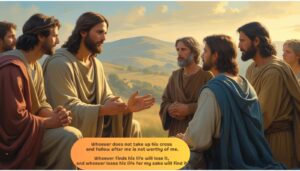
Now let’s turn to the Gospel of Matthew, where Jesus speaks about the cost of discipleship. In Matthew chapter ten, He tells us that He did not come to bring peace, but a sword. This is not a call to violence, but a reminder that following Christ may lead us into conflict. Discipleship is a form of warfare against the powers of darkness. Jesus also tells us about the cost of love. If we love our families more than Him, we are not worthy of Him. This is a radical call to put God first, even above our most cherished relationships. The path of discipleship requires sacrifice, but it also leads to an abundant life.
In today’s world, we face many crises that test our faith. From natural disasters like famines and floods to manmade tragedies such as war and oppression, we are surrounded by suffering. We cannot ignore the personal struggles we face, be it persecution or family division. These are our modern-day “Egypts” where we feel trapped and hopeless. But God sees us, and He empowers us to rise above our circumstances.
So, how do we live out our faith in the face of suffering? First, we must name our “Egypts.” What are the struggles you face? Bring them before God. Next, we must wield the “sword” wisely. This sword is the Word of God, our weapon against despair. Third, we are called to practice holy resistance. We stand against injustice, not with hatred but with love, truth, and grace. Finally, we embrace the cross-community. We are not alone in our struggles. We are called to bear one another’s burdens and walk together in faith.
In closing, remember that the God who sees our suffering also calls us into a deeper relationship with Him. He invites us to discipleship, which is filled with challenges but also marked by His presence. Let us respond to His call today, knowing that He walks with us every step of the way. Amen.
St. Óscar Romero (amid persecution): “When human power crushes us, God whispers: ‘I am the God of the Exodus. I will free you.’”
Pope Francis: “God’s heart beats where dignity is trampled. Cry out to Him—He hears.” (Fratelli Tutti, 77)
St. Thomas More (facing execution): “I die the King’s good servant—but God’s first.”
St. Teresa of Ávila: “Christ has nobody now but yours. Be His sword for justice.”