
Safeguarding Awareness Training Empowers Clergy and Religious in Mandalay Archdiocese
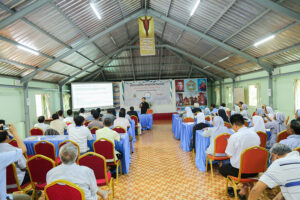
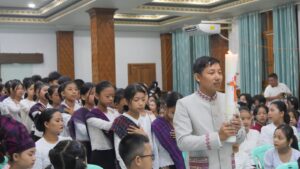
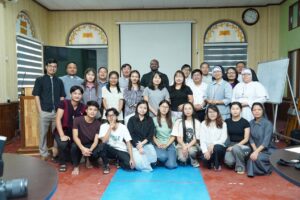
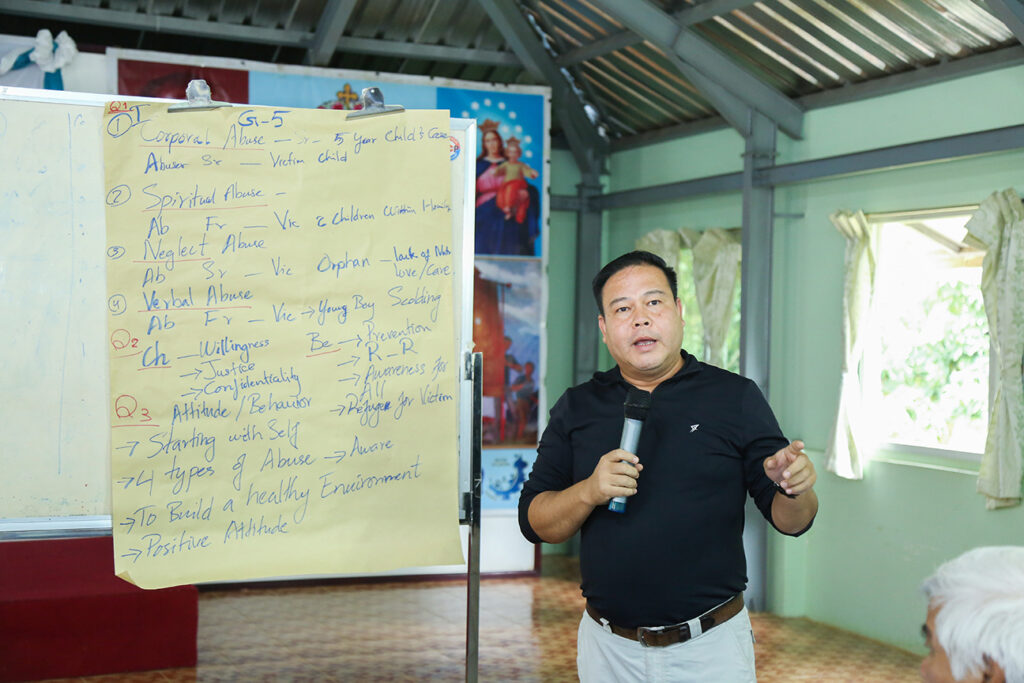
A three-day safeguarding awareness training for priests and religious from the Archdiocese of Mandalay was held at the Don Bosco Spiritual Renewal Center in Anisakhan, Pyin Oo Lwin, from July 15 to 17.
The training, aimed at promoting the protection of minors and vulnerable persons, was facilitated by Fr. Hein Zaw and the Mandalay Diocesan Safeguarding Team.
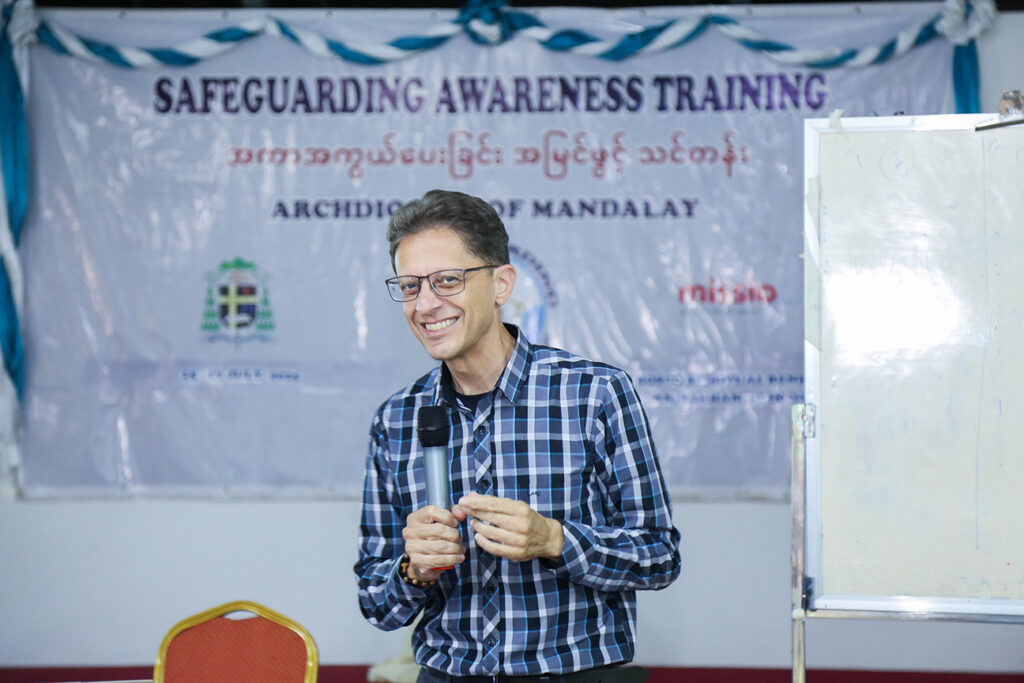
Though unable to attend in person due to a tight schedule, Archbishop Marco Tin Win expressed strong support in his opening message.
“This is a valuable training that I wish to attend. I am delighted to see so many priests and religious participating. I hope all of you will carry what you have learned into your lives and ministries,” he stated.
Fr. Henry Brang Mai, Director of the National Safeguarding Commission, underscored the importance of the training in light of Pope Francis’ apostolic letter Motu Proprio on the protection of minors and vulnerable persons.
“The Holy Father has entrusted all Catholic bishops and dioceses worldwide with the responsibility of ensuring safe environments. This training is Mandalay Archdiocese’s response to that call,” he said.
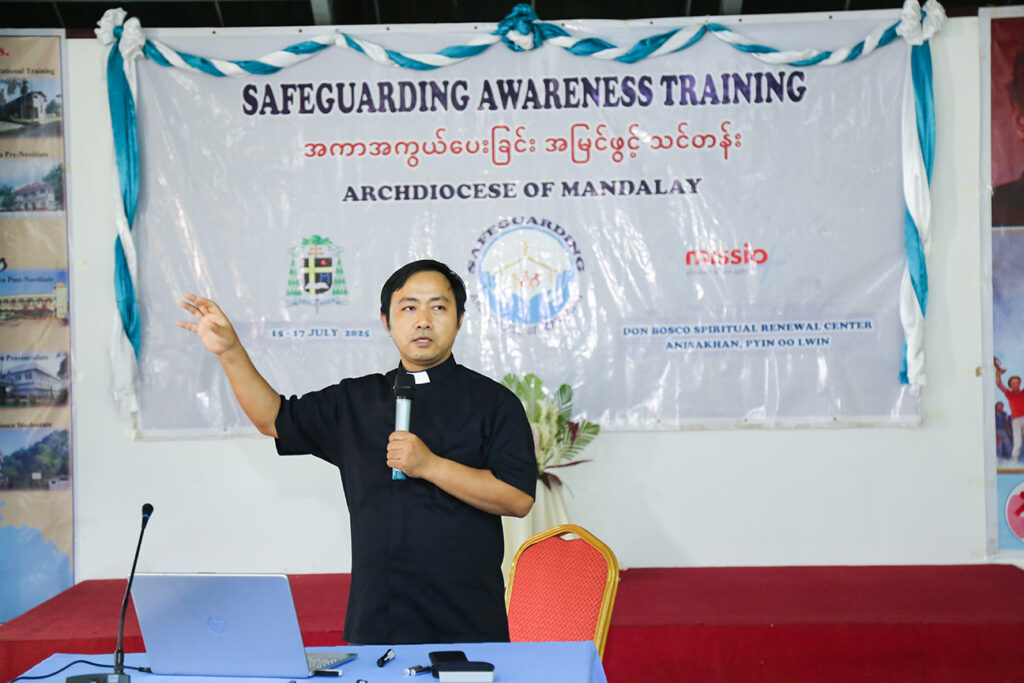
He highlighted the training’s core focus: understanding the long- and short-term effects of various forms of abuse — including sexual, psychological, neglect, and corporal — from a psychological perspective.
He also addressed the misuse of power within Church settings. “Power should never be used abusively. It should protect, not harm. That’s why we are here—to learn how to be protectors, not perpetrators,” he said.
Canon law perspectives were shared by Fr. John Paul Nay Win Maung, who outlined the Church’s legal framework for protecting minors and vulnerable individuals.
Fr. Henry also addressed concerns that safeguarding initiatives might reopen old wounds.
“This training is not to blame or shame, but to prevent future harm, walk with those who are wounded, and foster justice and healing. We aim to build a safe and life-giving environment for all,” he emphasized.
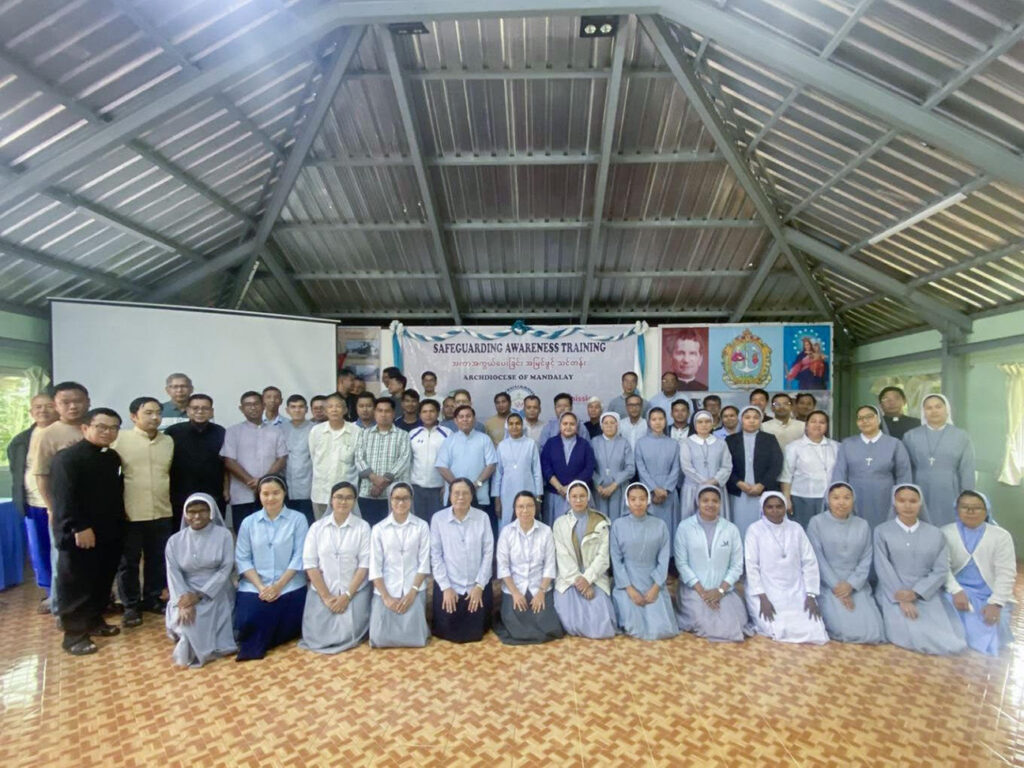
Transformative Impact on Participants
The training received heartfelt responses from participants, who reflected on its transformative impact.
Sr. Elizabeth Hkawng Naw said, “This gave me deep insight. I’ve become more aware of past mistakes. If we truly want to help others, our own attitudes must change first.”
Fr. Francis Kayza Min echoed this, noting, “A healthy environment starts with personal conversion. We must all take responsibility.”
Fr. Eugene Chit Soe Oo shared that many participants were unaware of the lasting psychological damage abuse causes.
“This training opened our eyes. I deeply appreciate the facilitators’ work,” he said.
Sr. Cecilia Aye Chan May said she was already planning to apply the lessons learned in her ministry.
“Change begins with awareness. By working together, we can create communities that are safe, joyful, and nurturing,” she said.
Sr. Lucia Thanda Aung expressed collective gratitude on behalf of the attendees via a message:
“I thank the Triune God for this grace-filled opportunity. Every word spoken, every experience shared by Rev. Fr. Hein Zaw and the team resonated deeply with us. Many of us reflected long after the sessions ended. This training has reshaped our mindset and commitment to safeguarding.”
The training concluded with a renewed resolve among Mandalay’s clergy and religious to uphold the dignity and protection of every person—especially the most vulnerable—through informed, compassionate, and proactive ministry.
By RVA Myanmar Service