
Friday after Ash Wednesday, February 20, 2026
The Fast That Unlocks Heaven
Voice over by Eliz
Isa 58:1-9a, Psalm: 50, Mt 9:14-15
My dear Sisters and Brothers in Christ,
As we journey through these early days of Lent, a fundamental question arises from today’s readings: What is the point of our fasting? Is it a spiritual exercise for our own benefit, or does it have a deeper, more transformative purpose? Through the prophet Isaiah and the words of Christ, God reveals that true fasting is not a withdrawal for its own sake, but an opening of our hearts that unleashes divine power and compassion.
Isaiah delivers a message of stunning clarity to a people who are fasting diligently yet finding their prayers unanswered. “Why do we fast, and you do not see it? afflict ourselves, and you take no note of it?” God’s response through the prophet cuts to the heart: “Lo, on your fast day you carry out your own pursuits, and drive all your laborers… Your fast ends in quarreling and fighting.” Their observance is empty because it is self-centered. It does not change how they treat others.
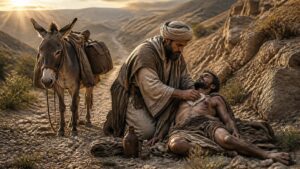
Then God describes the fast He chooses: “Release those bound unjustly… Set free the oppressed… Share your bread with the hungry, shelter the oppressed and the homeless… Then your light shall break forth like the dawn.” True fasting is inseparable from justice and charity. It loosens our grip on ourselves to free us for love of neighbor. This is the fast that unlocks heaven: “Then you shall call, and the LORD will answer.”
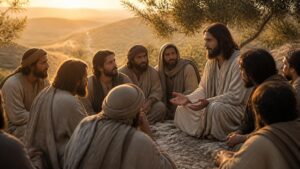
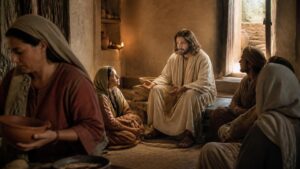
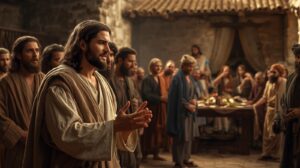
In the Gospel, the disciples of John question Jesus: “Why do we and the Pharisees fast much, but your disciples do not fast?” Jesus responds with the beautiful image of the wedding guests who cannot mourn while the bridegroom is with them. He is the Bridegroom. His presence is a time of joyful communion. The fasting of the Old Covenant—including the kind Isaiah criticized—finds its ultimate meaning in relation to Him. Our fasting is not a gloomy ritual, but a longing for Christ, a making of space in our lives for the Bridegroom. It prepares us for the time when He is “taken away”—a reference to His Passion, which we commemorate in a special way during Lent.
For us, this means our Lenten fast must be twofold. First, it must be relational: a conscious turning toward Christ, the Bridegroom, in prayerful longing. Second, it must be external: a practical “loosening” of our bonds of selfishness to serve others. One without the other is incomplete.
Pope Francis, reflecting on this very passage, says: “This is the kind of fasting that the Lord wants: a fasting that is concrete, that opens our hearts to our brothers and sisters, and that leads us to concrete gestures of sharing and love.” Our small sacrifices of food, entertainment, or comfort are meant to fuel gestures of kindness, patience, and generosity.
This Lent, let us ask: Does my fasting make me more compassionate, or just more hungry? Does it free resources—time, money, attention—to share with someone in need? Let us embrace the fast that unlocks our hearts and unleashes God’s light upon the world. Amen.
May God bless you all!