Over 500 Teens Attend Health and Media Awareness Program in Yangon
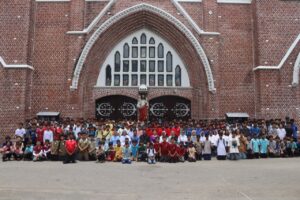
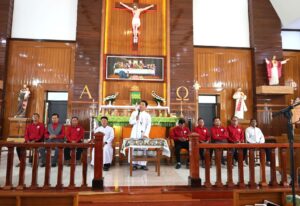
More than 500 teenagers gathered at St. Mary’s Cathedral compound on May 20 for a day-long program focused on health, responsible media use, and digital safety, organized by the Yangon Archdiocesan Pontifical Mission Society.
A total of 529 teenagers participated, including 211 boys and 318 girls. The event ran from 8:00 a.m. to 3:00 p.m.
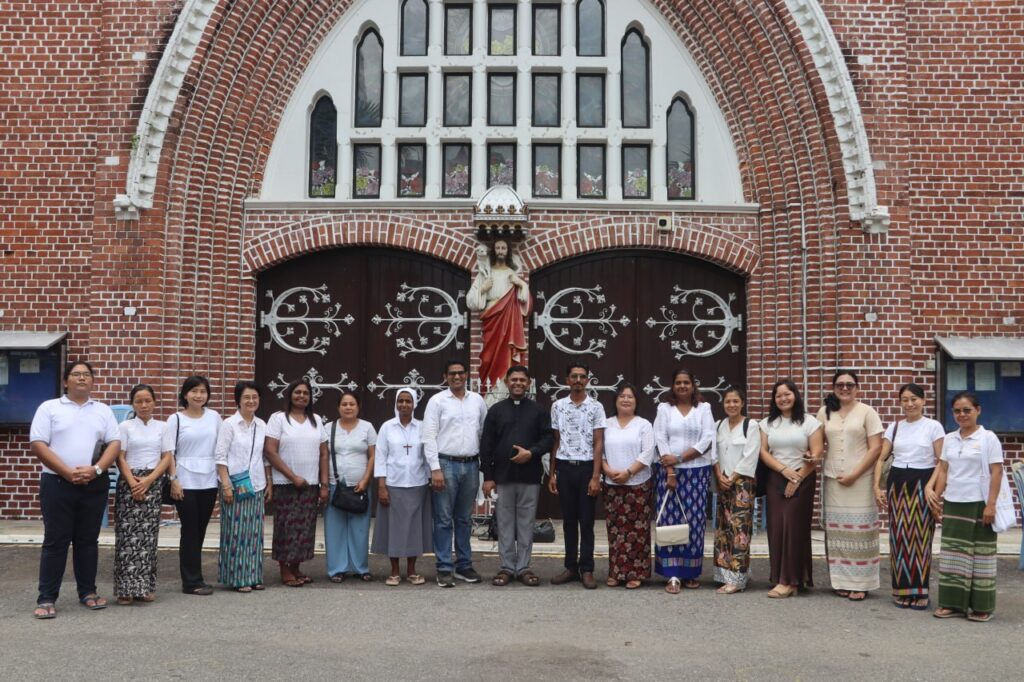
Myanmar Cardinal’s Opening Address
His Eminence Cardinal Charles Bo encouraged the young people to reflect on their future vocation and life choices, emphasizing that health and responsible media use contribute to holistic well-being.
“Each person is unique. Our body is a gift from God, and we have the responsibility to care for ourselves,” he said.
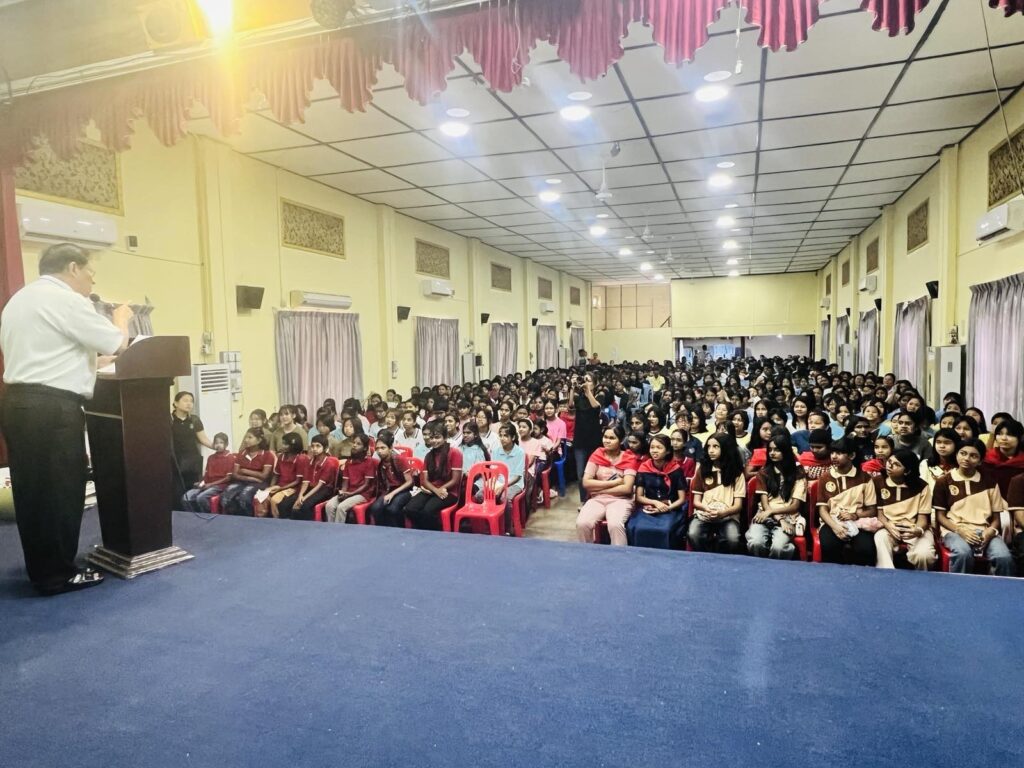
The Cardinal noted that health is not only freedom from disease but also happiness, inner peace, emotional strength, and critical thinking ability. He urged healthy habits, including balanced nutrition, adequate sleep, and physical exercise, while advising reduced consumption of fast food and sugar.
On media use, Cardinal Bo warned: “Media should be our servant; we should not become slaves to media.” He cautioned that excessive use weakens friendships, disturbs sleep, and harms mental health. He also mentioned that Pope Leo XIV is expected to release an encyclical on Artificial Intelligence.
“You are precious. You are the future,” he told the teenagers.
Health Education Sessions
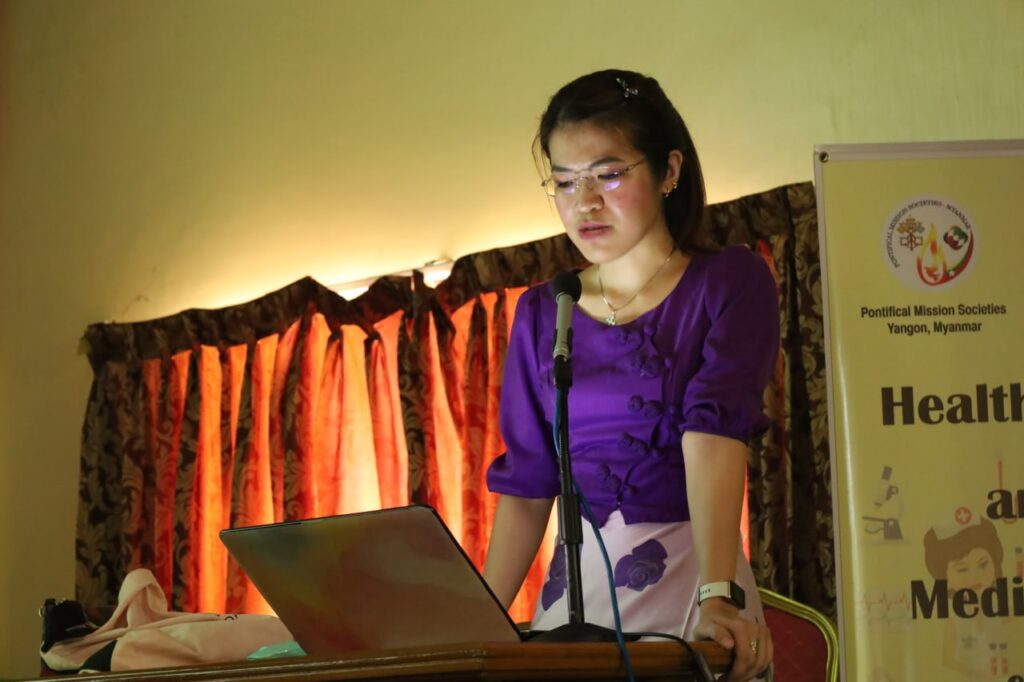
From 9:00 to 10:00 a.m., separate health sessions were conducted for boys and girls. Dr. John Bo Bo led the boys’ session, focusing on balanced nutrition, proper sleep, and responsible technology use. He advised avoiding cellphone use at least 30 minutes before bedtime.
Dr. Regina Yadanar Soe led the girls’ session, addressing physical and emotional changes during adolescence. “Mental health is globally recognized as very important for teenagers,” she said, encouraging open communication with parents and trusted adults.
Media Literacy and AI
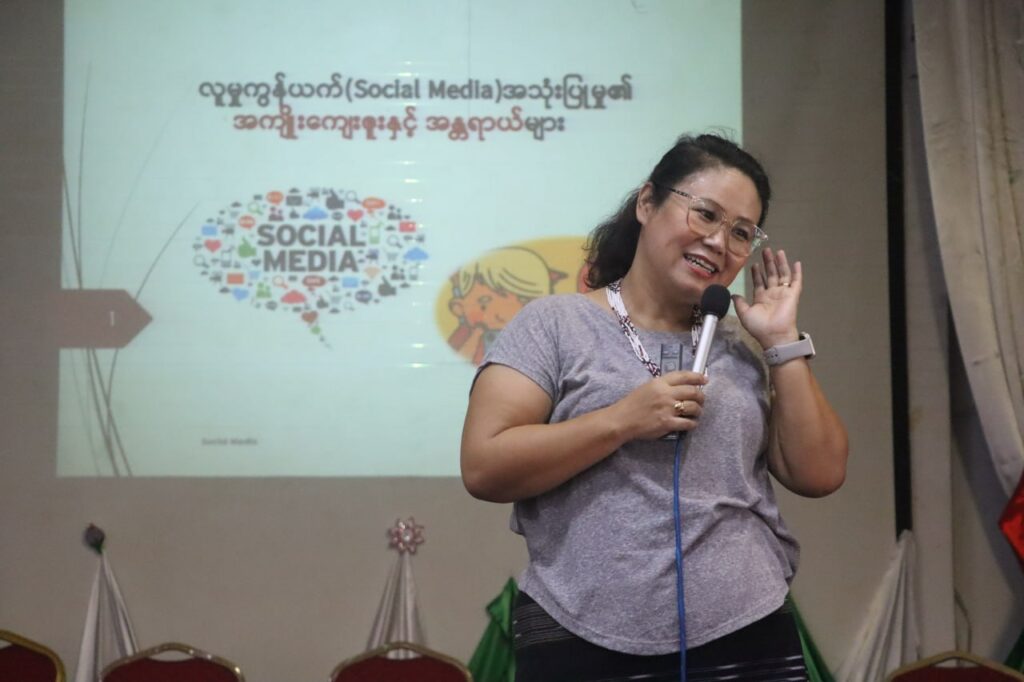
Child development trainer Sayama Khaung Naw spoke about social media literacy and digital safety. She noted that while social media can support education and communication, excessive use—more than three hours daily—may increase risks of anxiety and depression.
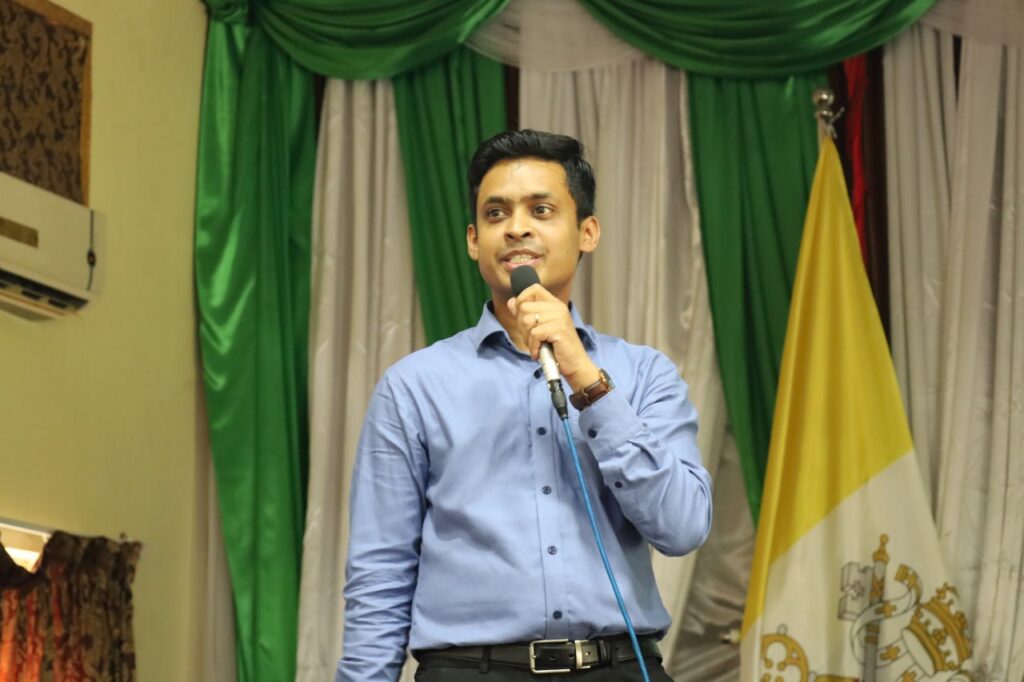
In the afternoon, Boniface Thet Win Lwin, a network systems specialist, delivered a session on Artificial Intelligence. He explained that AI can help students learn efficiently but warned against over-dependence, which may reduce critical thinking. He also highlighted privacy concerns with AI technologies.
Closing Remarks
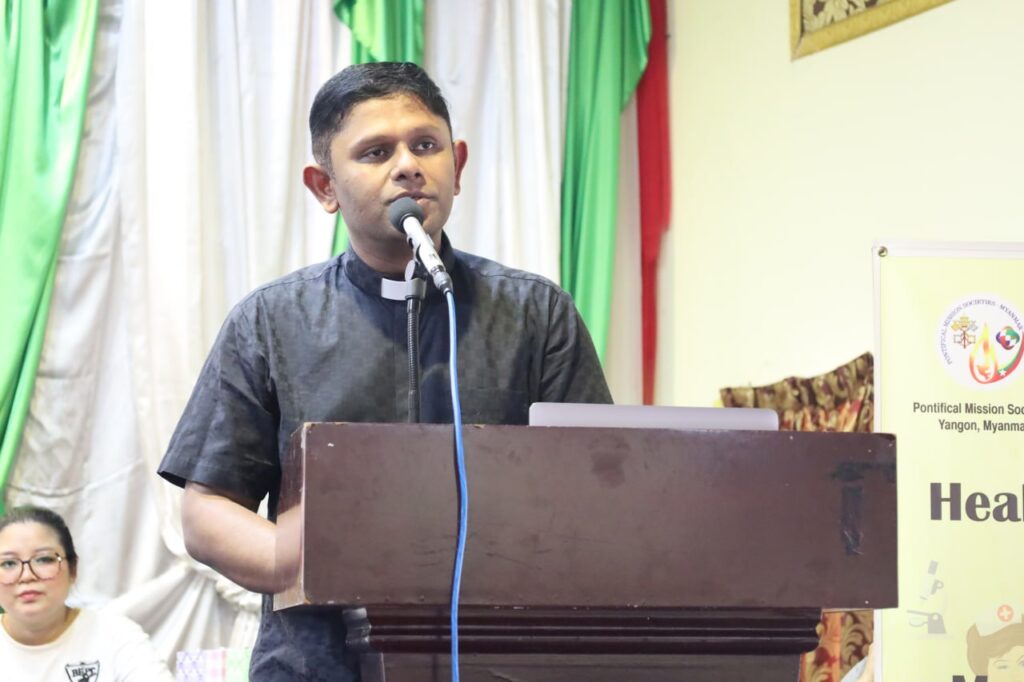
Fr. James Kyaw Lin Htun, director of the Pontifical Mission Society, expressed gratitude to Cardinal Bo, doctors, teachers, volunteers, and all contributors. The program concluded with a final blessing.
The event reflected a proactive Church response to the challenges facing Generation Alpha, equipping teenagers with knowledge to navigate health, media, and emerging technologies responsibly.
By RVA Sgaw Karen Service