
Friday of the Thirteenth Week in Ordinary Time, July 4, 2025
Divine Faithfulness and the Call to Mercy
Gen 23:1-4.19; 24:1-8.62-67; Psalm: 105; Mt 9:9-13
Dear Sisters and Brothers in Christ, Today, we will reflect on “Divine Faithfulness and the Call to Mercy.” As we delve into Scripture, we will explore how these themes shape our lives and guide our actions. Let us begin with the foundational stories found in Genesis, particularly in chapters 23 and 24. Here, we witness the faithfulness of God through the life of Abraham. After Sarah’s passing, Abraham seeks a proper burial place. In his quest, we see a remarkable act of respect for the body, a testament to the sacredness of life even in death. This act reflects a deeper understanding of covenantal permanence. Abraham’s actions remind us that our bonds, whether in marriage or friendship, are built on a foundation of faithfulness.
In Genesis 24, we find a story of divine providence. Abraham sends his servant to find a wife for Isaac, emphasizing that God guides human choices. The servant prays for guidance, and God answers in a miraculous way. This beautiful portrayal of marriage as a covenant showcases how God orchestrates our lives for His purpose. Just as God led Abraham’s servant to Rebekah, so too does He lead us in our relationships, urging us to honor the commitments we make.
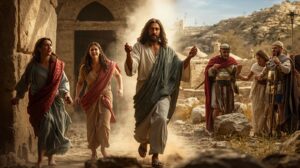
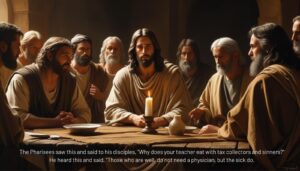
Now let us turn our attention to the Gospel of Matthew, where we encounter the radical call to discipleship through the life of Matthew, the tax collector. In Matthew 9, we see Jesus approach this outcast, inviting him to follow. The response of Matthew is swift and transformative. Here we see grace in action, showing us that faithfulness to God’s call can turn a life around. Jesus’s declaration, “I desire mercy, not sacrifice,” challenges the legalism that often binds us. It reminds us that mercy should be at the heart of our discipleship. Jesus’ mission was to the sick, the marginalized, and the sinners. He exemplified how mercy transcends rules and rituals. In embracing this mercy, we acknowledge our own need for grace and the transformative power it holds. Each of us is called to reflect this mercy in our daily lives, breaking the chains of judgment and extending love to those around us.
As we apply these teachings in our daily lives, let us embody both faithfulness and mercy. First, we must honor our covenantal bonds. Whether in marriage, friendships, or community, let us be steadfast in our commitments, reflecting the faithfulness of God in all we do. Next, let us trust in divine providence. Life can be unpredictable, but we can rest assured that God is guiding our choices and paths. Just as He orchestrated the details for Abraham and Isaac, He is intricately involved in our lives. Finally, we must embrace Christ’s call to mercy. Let us be witnesses of transformative love, reaching out to those in need, lifting up the downtrodden, and showing compassion to the lost. In doing so, we become instruments of God’s grace in a world yearning for hope.
In conclusion, as we reflect on Divine Faithfulness and the Call to Mercy, may our lives be a testament to these truths. Let us live in a way that honors our commitments and extends the mercy we have received. Together, we can be a beacon of light, drawing others to the love of Christ. Amen.
St. Teresa of Calcutta on Matthew’s Call: “Jesus could have chosen anyone, but He chose Matthew, a sinner… That gives hope to every one of us. We are all sinners, but Jesus calls us.”
Pope Benedict XVI on Abraham’s Trust: “Abraham’s faith is a faith in the God who guides, who does not abandon us, who is present and near in His fidelity” (General Audience, January 23, 2002).
St. John Chrysostom on Mercy: “It is not the healthy who need a physician, but the sick. Let us then also seek Him who heals, for we are sick not with diseases of the body, but with sins of the soul” (Homily on Matthew).
Pope St. John Paul II on Marriage: “The love of husband and wife is the force that founds the family, the domestic church” (Letter to Families, 1994).