
“Peace Is the Only Way”: Myanmar Cardinal Appeals for Dialogue and Reconciliation in Myanmar
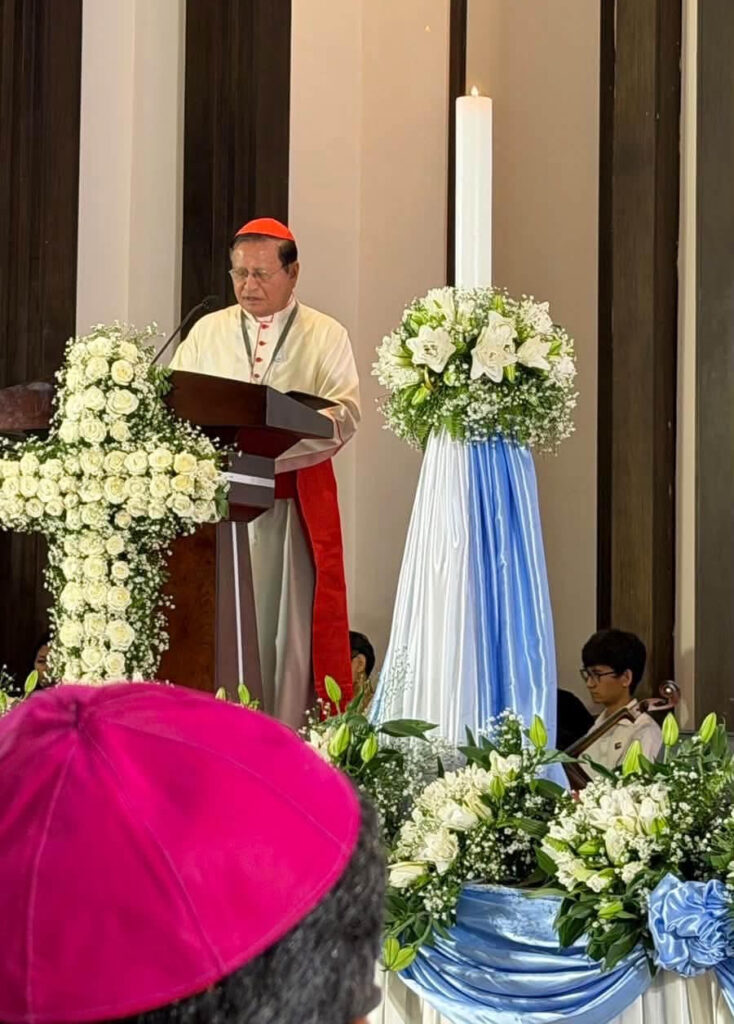
His Eminence Cardinal Charles Bo, President of Catholic Bishops’ Conference of Myanmar (CBCM), has called on Myanmar’s national leaders, political groups, armed organizations, and all stakeholders to pursue inclusive dialogue and reconciliation, saying peace is the only way forward for the country.
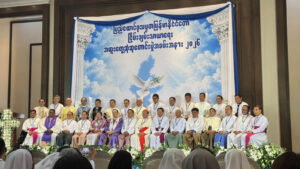
The Cardinal made the appeal at an Interreligious Prayer Gathering for Peace in Myanmar, held in Naypyitaw on November 3, 2026. More than 700 participants from different religious traditions attended under the theme, “There Is No Other Option: Peace Is the Only Way, and Peace Is Possible.”
Addressing national leaders, stakeholders, religious leaders, and the people of Myanmar, Cardinal Bo spoke of the pain of a nation suffering from prolonged conflict and his hope for a future built on reconciliation.
“I come not to accuse anyone, not to reopen old wounds, and not to deepen the divisions that already separate us,” he said. “I come with a simple message from the heart: a message of hope, a message of courage, and a message of responsibility for the future of our country.”
The Cardinal described Myanmar’s ethnic, cultural, and religious diversity as a national treasure. He urged the people to see their differences as a source of strength rather than division.
He acknowledged the suffering caused by conflict, including displacement, insecurity, and the loss of loved ones. He stressed the urgent need to protect children, young people, and vulnerable communities.
“Our people are tired of suffering. Our children deserve a future. Our young people deserve opportunities. Our elderly deserve dignity. Every citizen deserves the opportunity to live in peace,” he said.
Cardinal Bo respectfully appealed to national leaders to keep the door of dialogue open and to invite all relevant stakeholders to the negotiating table. He said a genuine dialogue process must be inclusive and give ethnic communities, political groups, armed organizations, civil society, and religious communities meaningful opportunities to express their concerns.
“Dialogue does not mean that everyone must immediately agree. It means that we agree to keep talking rather than continue destroying one another,” he said.
The Cardinal urged all stakeholders to choose negotiation over violence and reconciliation over retaliation. He called on all parties to protect civilians, facilitate humanitarian assistance, safeguard schools, hospitals, places of worship, homes, and villages, and ensure displaced families receive support and security.
“Whatever our political differences, we must never forget that the life of every human being has value,” he said.
Emphasizing that peace should not be confused with surrender, Cardinal Bo said genuine reconciliation requires respect for human dignity, justice, accountability, and the protection of civilians. He acknowledged that rebuilding trust after years of suffering would take patience and consistent action.
“The strongest leaders are not those who can continue a conflict indefinitely, but those who can find the courage to bring it to an end,” he said.
The Cardinal encouraged practical confidence-building measures, including humanitarian cooperation, reliable communication channels, local ceasefires, and arrangements to protect civilians. He said even small steps toward peace could create opportunities for broader reconciliation.
Cardinal Bo highlighted the impact of prolonged conflict on children and young people. He urged leaders to consider future generations when making decisions.
“We owe our children more than speeches about patriotism. We owe them the conditions in which they can live, learn, work, and grow in peace,” he said.
Speaking about the role of religious communities, the Cardinal encouraged leaders of all faiths to work together to protect human life, comfort displaced families, support vulnerable children, and promote peaceful coexistence.
“Our religious differences should never prevent us from working together to protect human life and restore peace,” he said.
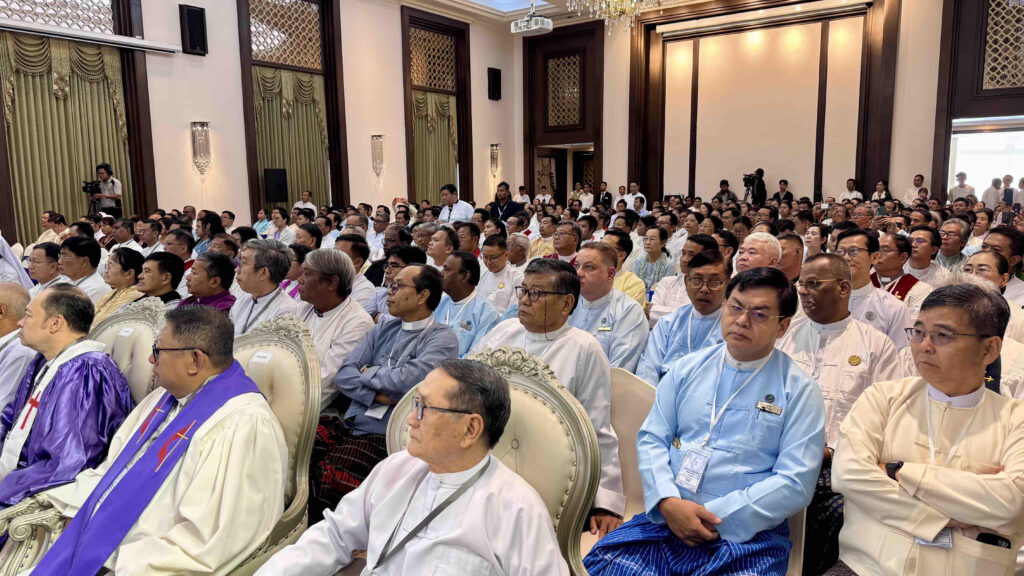
Quoting Jesus Christ’s words in Matthew 5:9, “Blessed are the peacemakers, for they will be called children of God,” the Cardinal called on religious communities to become places of consolation, healing, and hope. He also appealed to the international community and neighbouring countries to continue supporting humanitarian assistance, inclusive dialogue, and a peaceful political solution in Myanmar.
“Peace is not the victory of one group over another. Peace is the victory of our shared humanity over hatred and destruction,” he said.
The Cardinal expressed hope for a future in which displaced families could return home safely, children could attend school without fear, farmers could cultivate their fields peacefully, and communities could live together in dignity and mutual respect.
He concluded with a prayer for wisdom for Myanmar’s leaders, compassion among its people, and the courage to pursue justice, reconciliation, and peace.
“There is no other option: Peace is the only way, and peace is possible,” he said.
By RVA Sgaw Karen Service