
Caritas Myanmar Marks World Environment Day with Awareness Program and Tree-Planting Initiative
In commemoration of World Environment Day, observed annually on June 5, Caritas Myanmar organized an environmental awareness session and tree-planting activity on June 2 at Thin Taw Yoe Village in Hmawbi Township, Yangon Region.
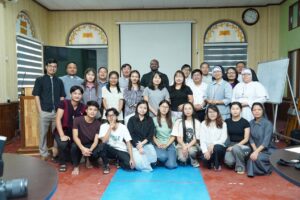
Approximately 100 participants, including local villagers, Fr. Peter Tun Tun, Parish Priest of Sacred Heart of Jesus Catholic Church in Hmawbi, and staff from the Yangon and National Offices of Caritas Myanmar, took part in the event.
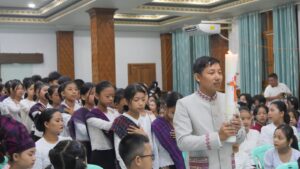
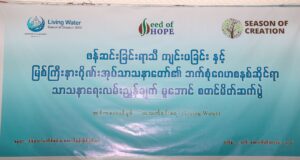
The program began with an opening prayer led by Fr. Peter Tun Tun, followed by a welcome address under the theme, “Inspired by Nature: For Climate, For Our Future.” The event featured educational sessions on ecosystem degradation, climate change adaptation and mitigation, the distribution of reusable cotton tote bags as alternatives to plastic, and the planting of tree saplings.
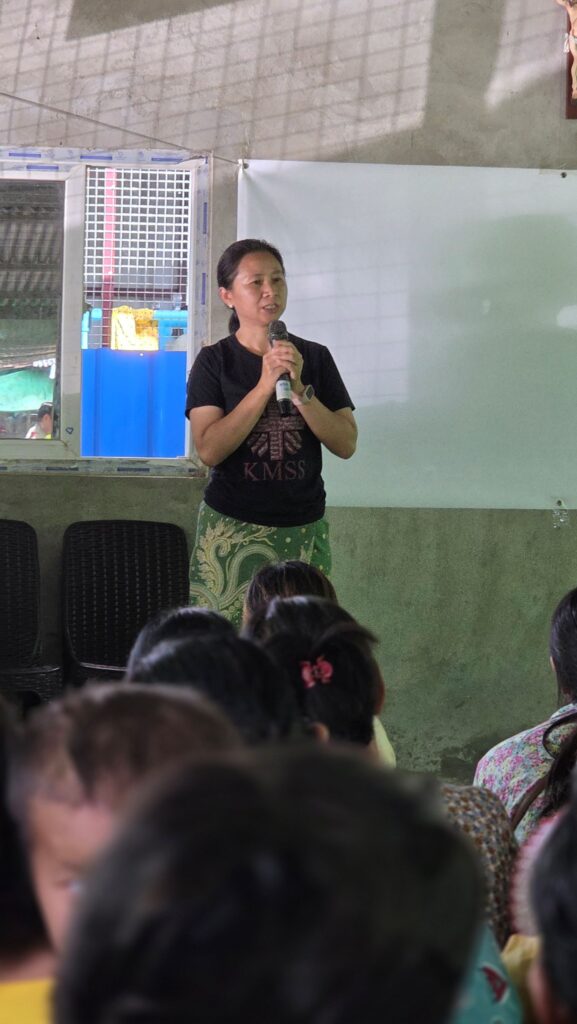
In her opening remarks, the Livelihoods Program Manager of Caritas Myanmar, Daisy Deria, highlighted the Church’s ongoing commitment to environmental stewardship inspired by Pope Francis’ encyclical Laudato Si’. She noted that Pope Leo XIV continues to encourage the faithful to care for creation with renewed dedication and enthusiasm.
“Caring for and greening our Earth is an essential part of Caritas Myanmar’s mission,” she said. “We are witnessing that farmers are among those most affected by environmental degradation and climate change. Therefore, raising awareness and promoting sustainable agricultural practices are vital components of our work.”
The Livelihood Program Manager also linked environmental protection with the Church’s “Turn Debt into Hope” initiative, emphasizing that many farmers fall into debt due to climate-related crop losses and the high cost of chemical fertilizers. She encouraged the adoption of organic farming methods that both protect the environment and reduce production costs.
The awareness session explored the concept of ecology, ecosystems, and integral ecology, drawing from the teachings of Laudato Si’. Participants learned about different ecosystem types, including terrestrial, aquatic, and human-modified systems, as classified by the International Union for Conservation of Nature (IUCN).
Presenters highlighted the interconnectedness of environmental degradation, poverty, and social injustice, stressing the need for an integrated approach that addresses environmental, social, cultural, and spiritual concerns.
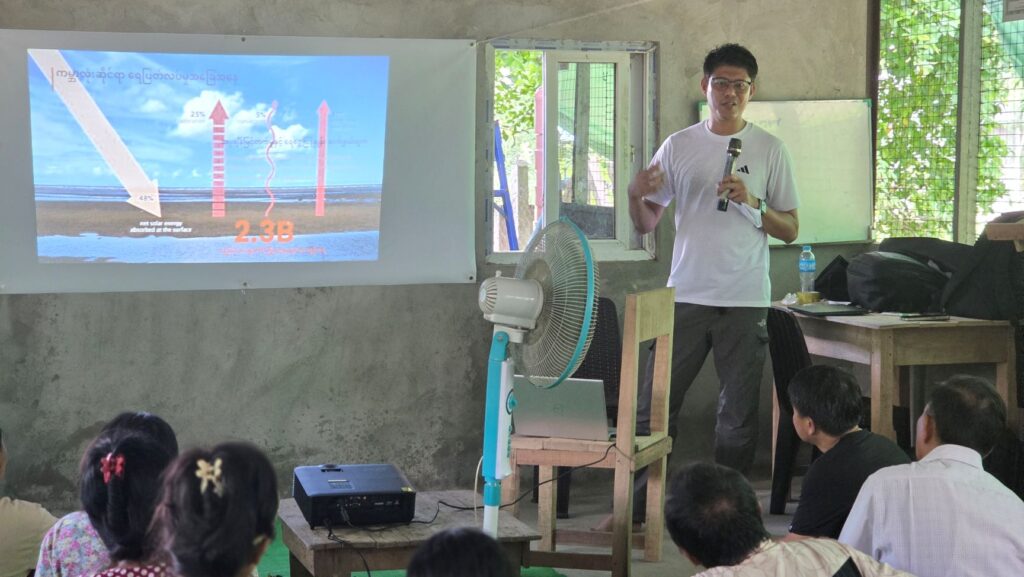
An agricultural specialist from Caritas Myanmar, Zarni Phone Win, also shared practical information on the impacts of climate change, including rising temperatures, droughts, displacement, and poverty. The presentation focused on climate resilience strategies, the benefits of tree planting, and the promotion of green livelihoods within local communities.
To further deepen understanding, participants viewed a documentary produced by the Myanmar Climate Change Alliance (MCCA), which illustrated the effects of climate change across Myanmar’s coastal, dry zone, and hilly regions.
During a concluding discussion, participants reflected on actions they could take to help restore and protect their “Common Home.” They pledged to plant and care for trees, manage waste responsibly, reduce plastic consumption, and share their knowledge with family members and neighbors.
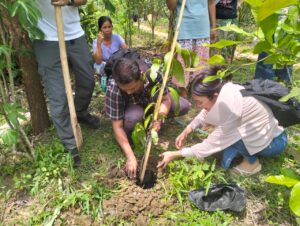
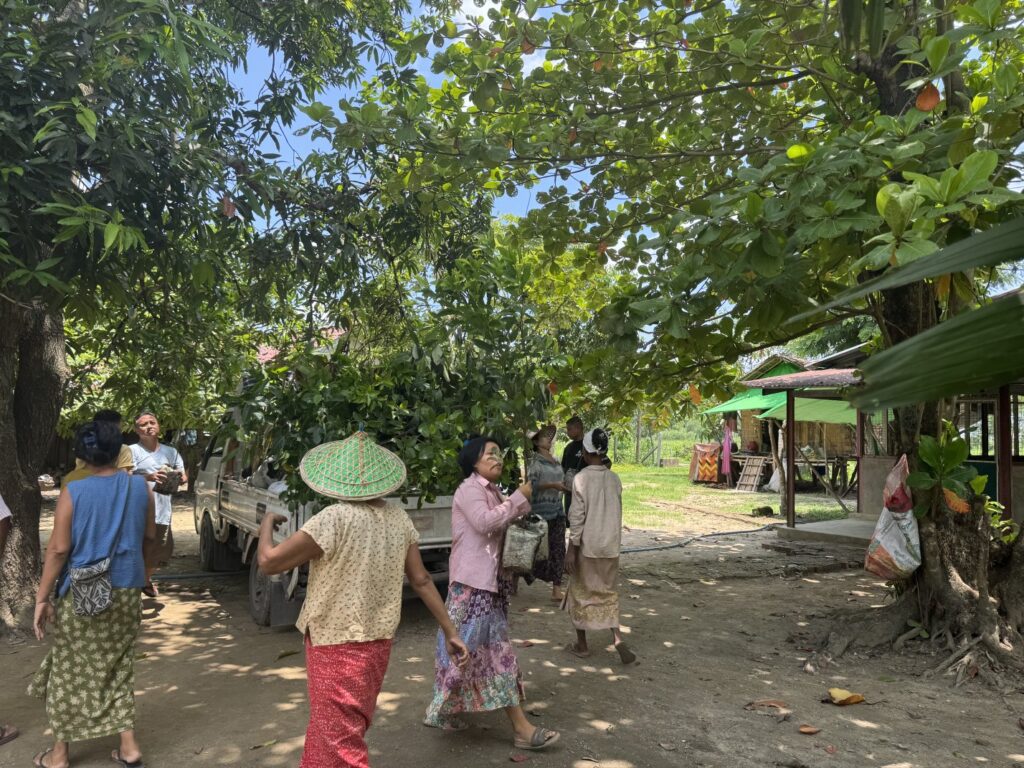
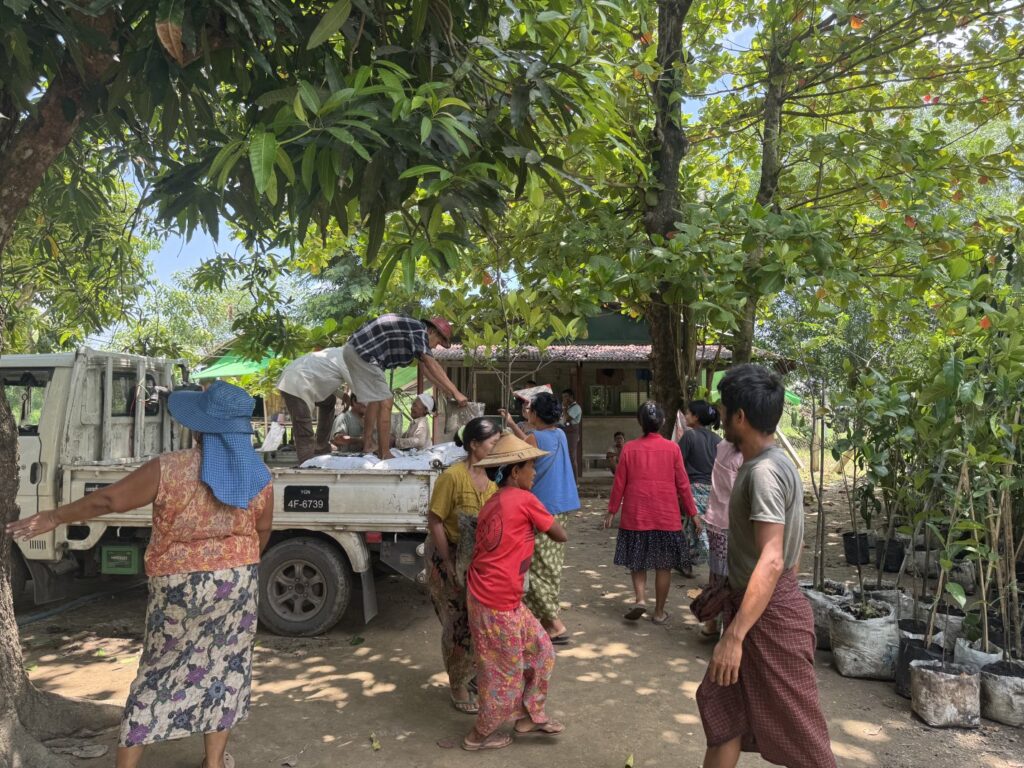
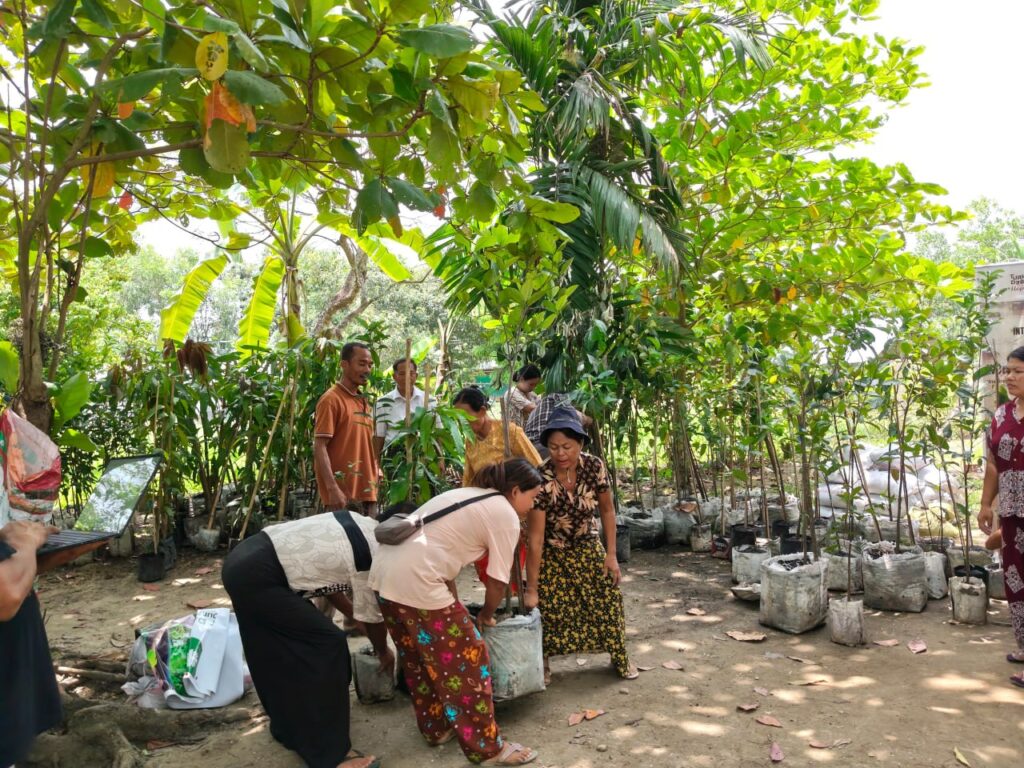
In the afternoon, Caritas Myanmar distributed reusable cotton tote bags to participating households as part of its campaign to reduce plastic use. A total of 170 saplings—including mango, Marian plum, jackfruit, and Spanish cherry trees—were also provided to 40 households in Thin Taw Yoe Village.
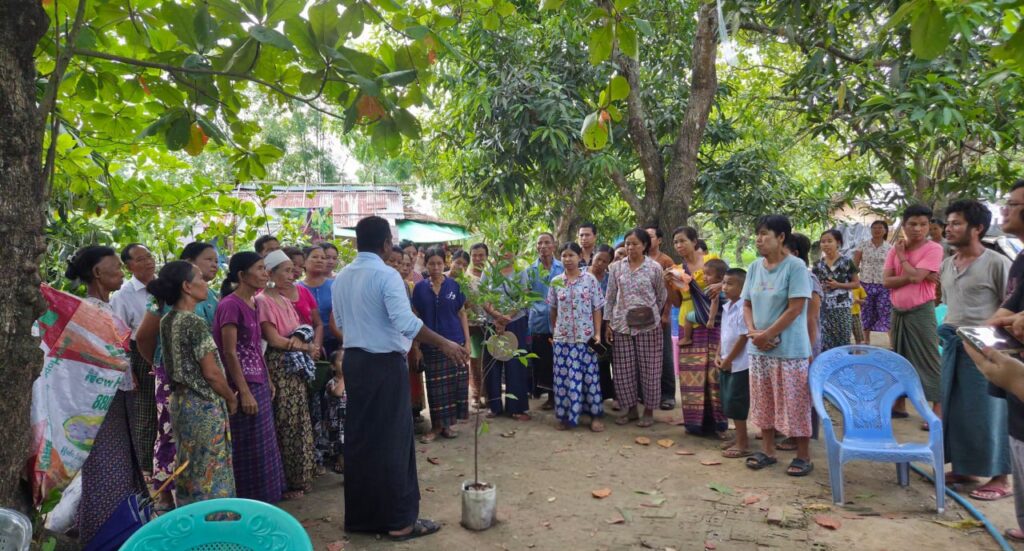
Before the distribution, a local nursery owner offered practical guidance on planting and caring for the young trees. Environmental songs recognized in a national competition in 2025 were played throughout the activity, inspiring participants with messages about environmental conservation and appreciation for nature.
The event concluded with families taking the saplings to their homes for planting. Some Caritas Myanmar staff accompanied villagers to assist with the planting process, while others chose to wait until the cooler evening hours due to weather conditions.
Through this initiative, Caritas Myanmar reaffirmed its commitment to environmental protection, climate resilience, and the promotion of sustainable practices that benefit both present and future generations.
By RVA Sgaw Karen Service