
Pathein Diocese Holds Synodal Seminar, Reactivates Emergency Response Team
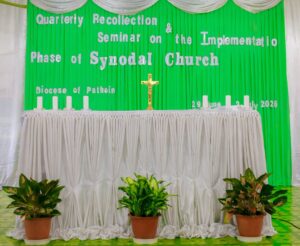
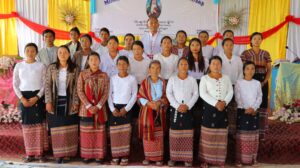
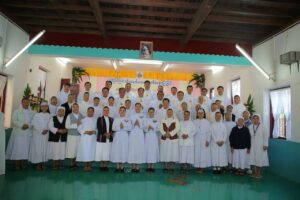
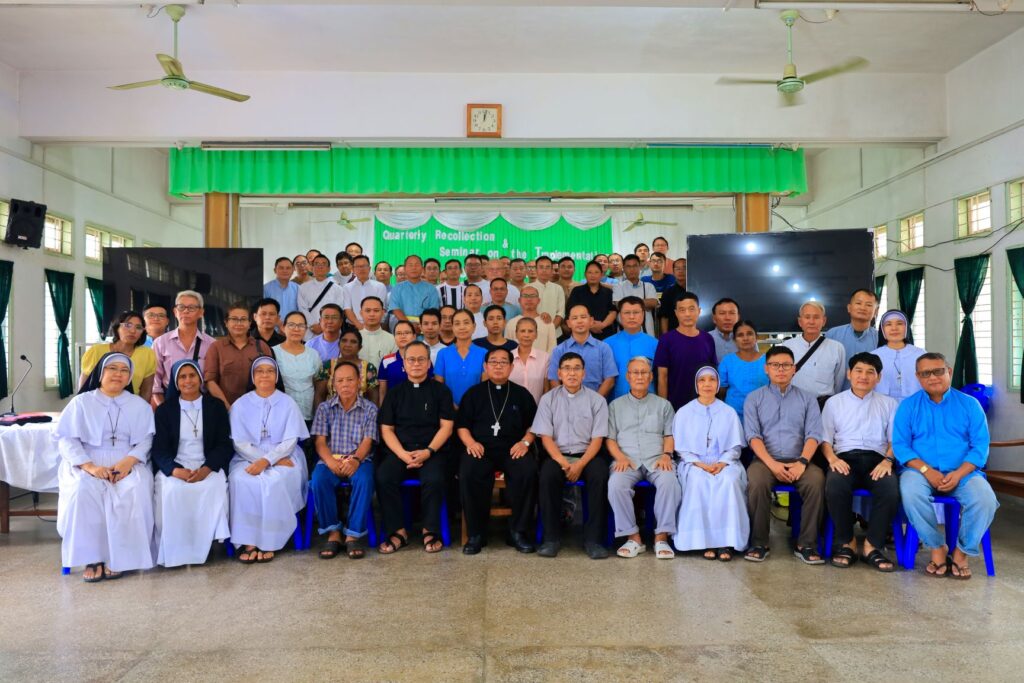
The Diocese of Pathein concluded a three-day seminar on the Implementation Phase of the Synodal Church from June 30 to July 2, as Bishop Henry Eikhlein led priests, religious, and lay faithful in deepening their understanding of “journeying together” while also reactivating the diocesan emergency response team.
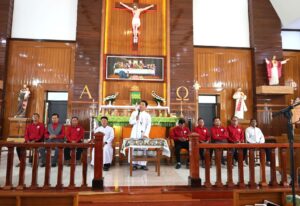
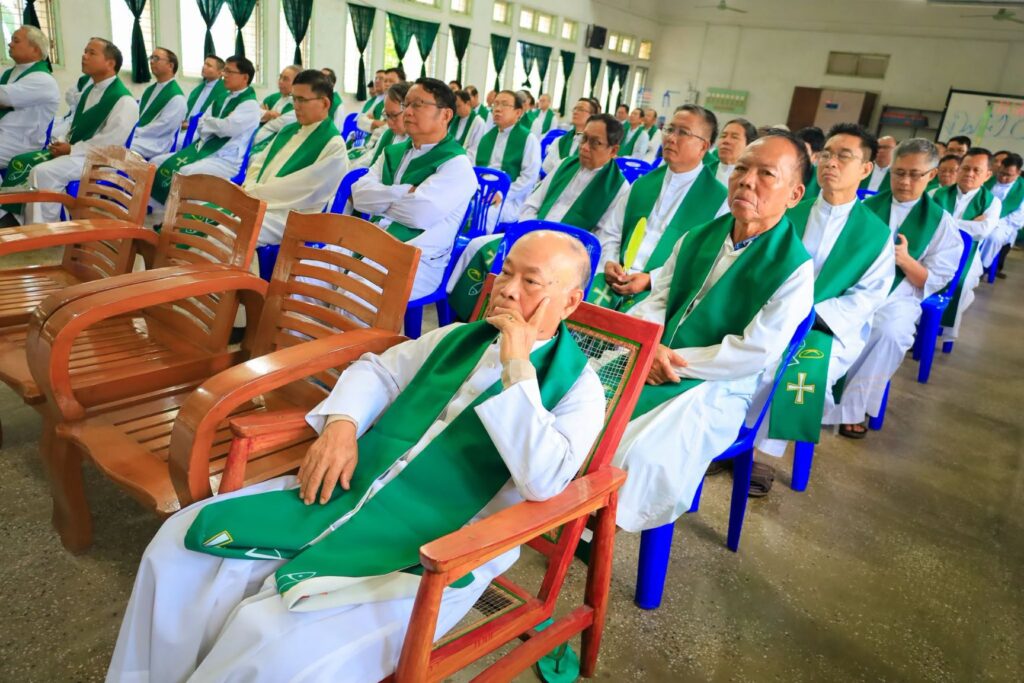
The seminar followed a Half-day Vigil observed by priests from 8:00 PM on June 29 until 12:00 PM on June 30. The vigil began with Holy Mass celebrated by Bishop Henry at 6:30 AM, followed by a spiritual reflection and words of encouragement to the participating priests.
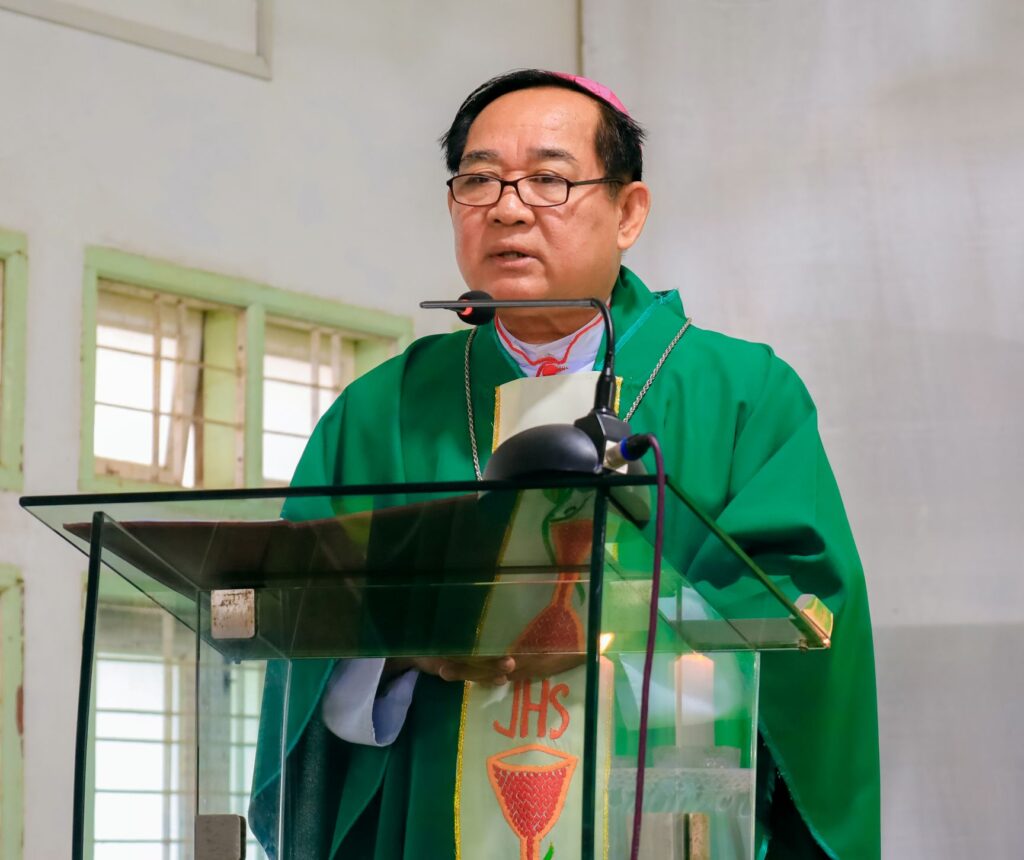
Homily: Jesus Calms the Sea
In his homily during the vigil, Bishop Henry reflected on the Gospel account of Jesus calming the storm. He noted that the disciples asked, “What kind of man is this?”—a question answered by Peter’s confession: “You are the Christ, the Son of the living God.”
“Jesus has absolute authority over nature,” the bishop said. “Wind and wave obey him because he is the Son of the living God. When we have conflicts and difficulties, God has the answer.”
He reminded the priests that Jesus is present in their midst in the Eucharist. “The only thing we need is to wake up,” he said, urging them to call out: “Lord, save our parish, our community—we are in danger.”
Reflection on Peter and Paul
In a subsequent talk on the “Pillars of Faith,” Bishop Henry reflected on the first martyrdom of Rome in AD 64, when Peter and Paul were persecuted during Nero’s reign. He connected this to the recent Ad Limina Visit to the Vatican, where Myanmar’s bishops knelt in prayer at the tombs of the two apostles.
“The journey was not just a formal bureaucratic trip,” he said. “It was a spiritual pilgrimage that re-anchors our local Church here in Pathein directly to the Universal Church. We are not isolated; we are deeply connected to the global flock founded on these two great pillars of faith.”
He contrasted the two apostles: Peter, the impulsive Galilean fisherman who made many mistakes, and Paul, the highly educated Pharisee who once persecuted Christians. Despite their differences, both were transformed by divine mercy and remained radically faithful to their mission.
“Neither of them were perfect,” the bishop said. “Peter denied Jesus three times and Paul persecuted the church. Both were transformed by divine mercy. Because they were forgiven much, they loved much.”
Synodal Spirituality and Practical Implementation
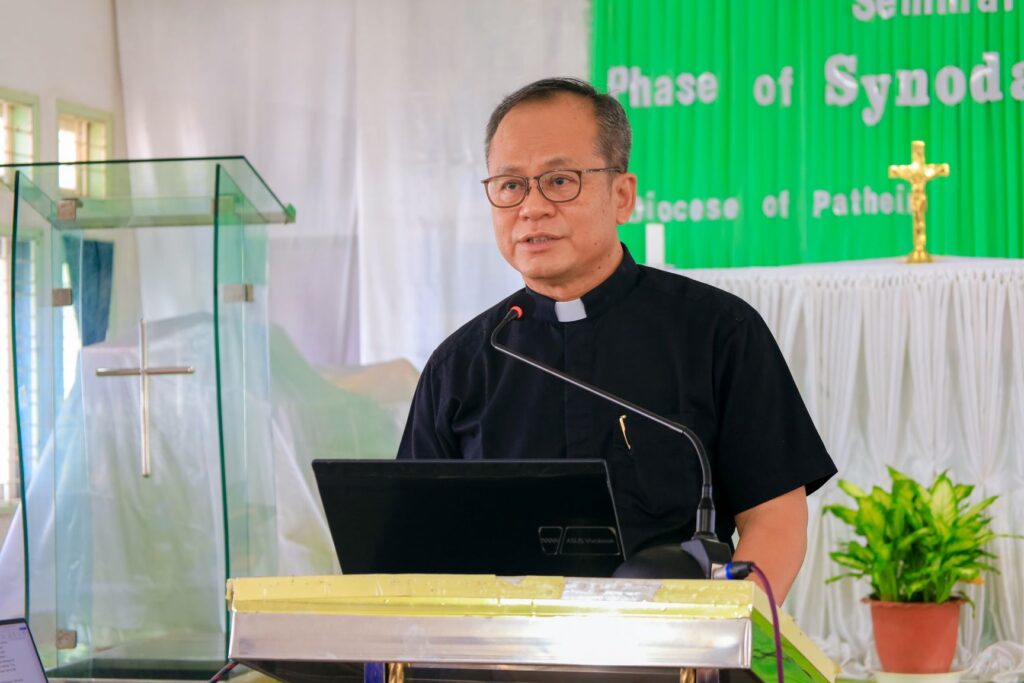
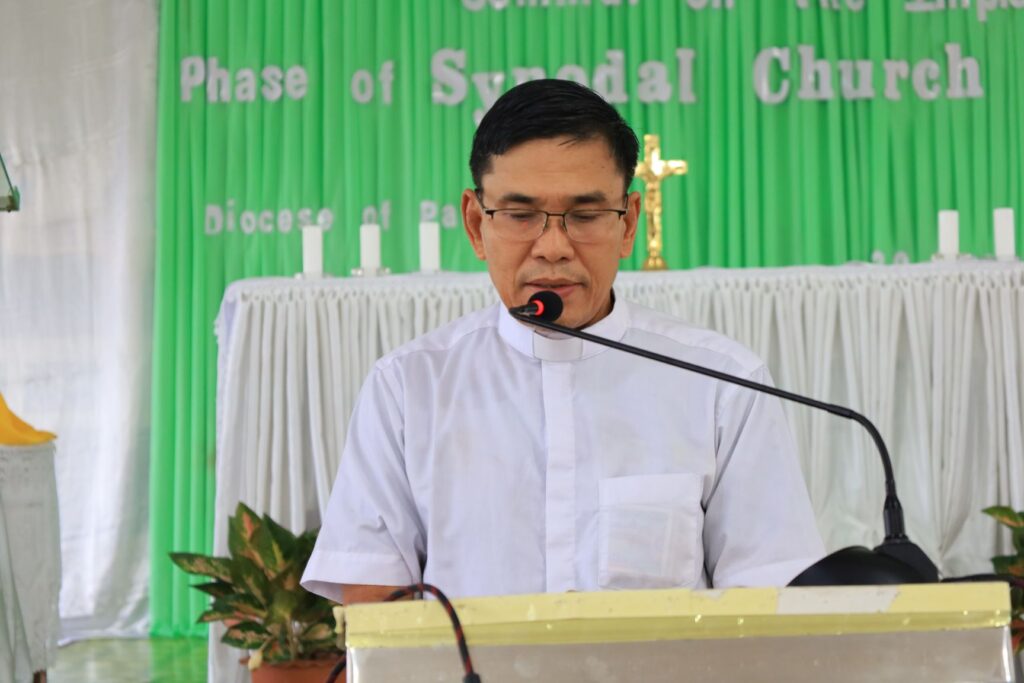
The seminar featured extensive presentations on synodality. Fr. Florence Aung Kyaw Oo, Chancellor, delivered an in-depth presentation on Synodal Spirituality, Ministry and Charism, Ecclesial Discernment, Transparency, Accountability, and Missionary Renewal.
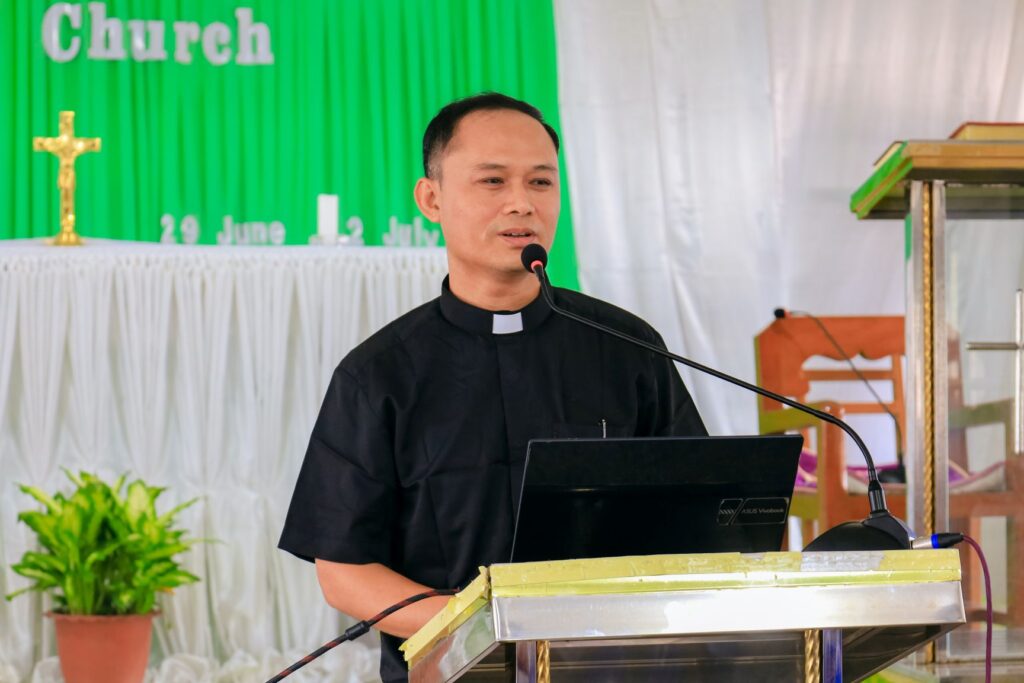
Fr. Jeremin Nyi Nyi Htun presented on the Synodal Process, explaining the basic concepts, objectives, and practical applications of synodality, including listening in the Discerning Leadership Program and spiritual conversation as a synodal method of listening.
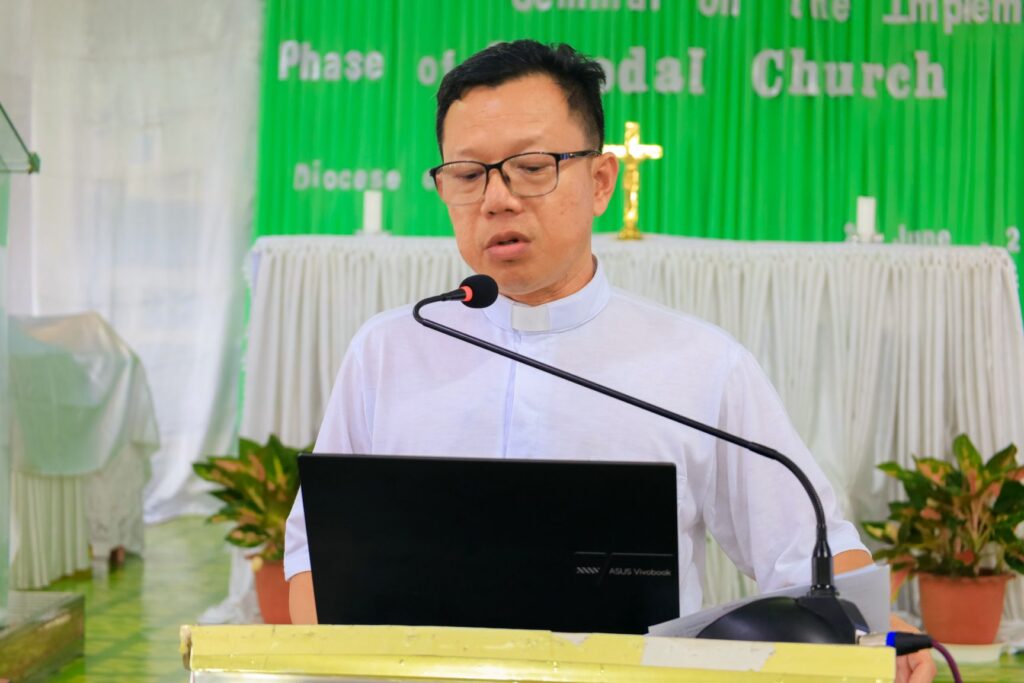
Fr. Raphael Phone Naing Oo, Parish Priest of St. Peter Cathedral, presented on the Synodal Church in Pathein parish.
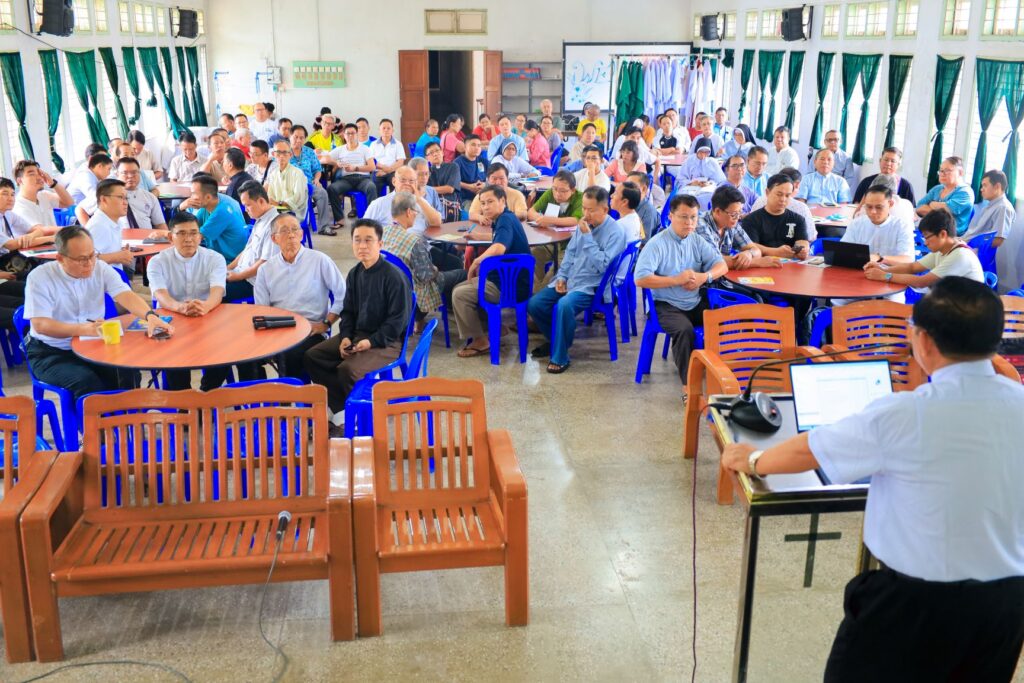
Participants were divided into nine groups for discussion, with each group later presenting its reflections and findings. Msgr. Pius Win Than served as facilitator throughout the seminar, encouraging active participation and open dialogue.
DERT Reactivation
A significant component of the seminar was the reactivation of DERT (Diocesan Emergency Response Team), originally established in 2022 but suspended due to the COVID-19 pandemic and the current situation.
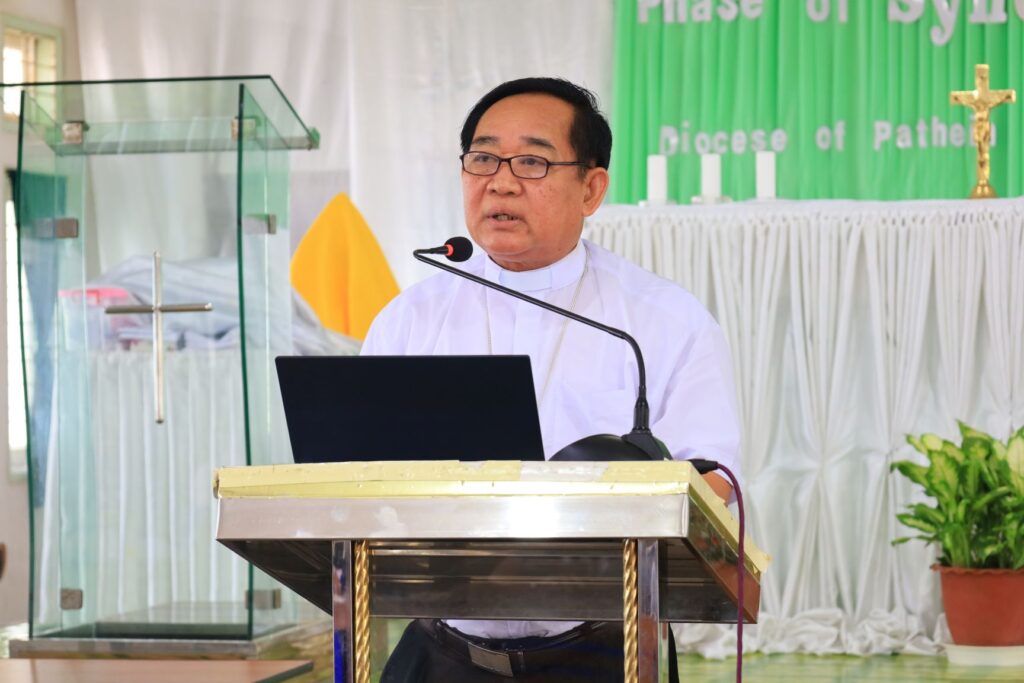
Bishop Henry explained that DERT was established to respond to natural disasters and human-induced emergencies in a timely, effective, and well-organized manner. He emphasized that DERT’s activities will now be carried out from a Synodal perspective, reflecting the Church’s commitment to walking together, sharing responsibility, and responding to emergencies in solidarity.
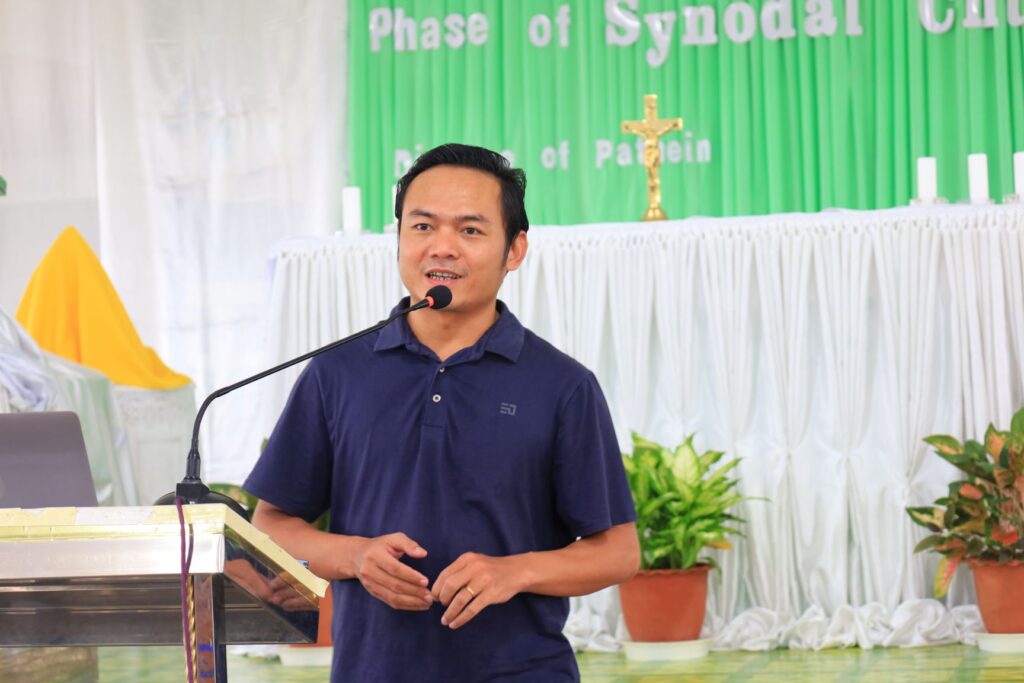
Caritas Program Coordinator Mr. Marcellinus Zin Min Tun presented on the mission and purpose of DERT, highlighting why the team is needed and how it enables the Church to respond effectively, promptly, and compassionately to emergencies.
Concluding Remarks
In his closing remarks, Bishop Henry acknowledged that before the synodal journey, many were unfamiliar with the concepts of democracy, federalism, and synodality. “Now we have come to understand Synod and Synodality,” he said.
“This is a process of working together in unity and collaboration,” he added. “In the Diocese of Pathein, this is being lived out as the Bishop provides guidance and clearly explains decisions, helping the faithful to journey together in shared understanding and responsibility.”
The seminar concluded with the bishop’s final blessing, marking a significant step forward in the Diocese of Pathein’s commitment to building a Synodal Church.
By RVA Pwo Karen Service