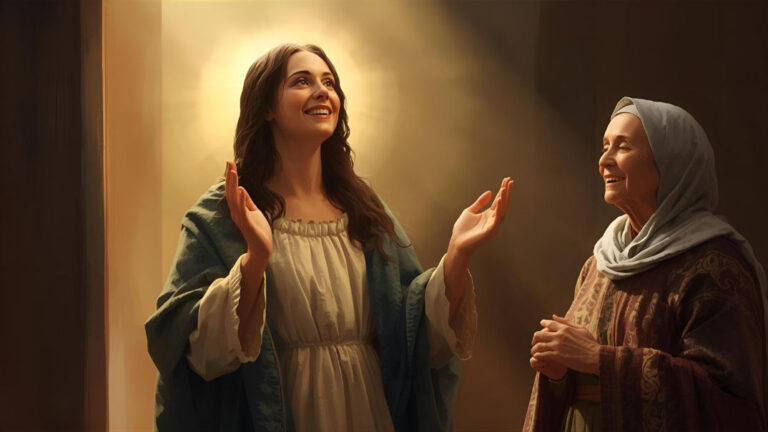
On this final day of Advent, the Church places before us two mothers whose lives became canticles of praise. Their stories, one from the Old Testament and one from the New, reveal the same profound truth: the greatest blessings flow from hearts that surrender everything back to God.
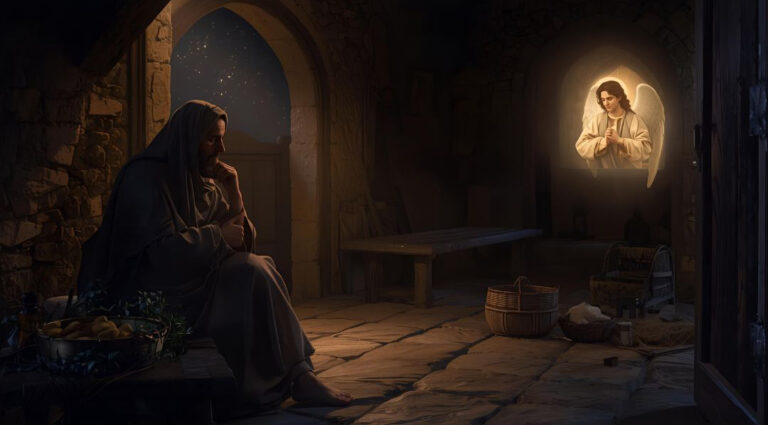
The Scriptures today reveal a divine plan unfolding across centuries, a plan that hinges not on royal power, but on the faithful obedience of a humble carpenter.
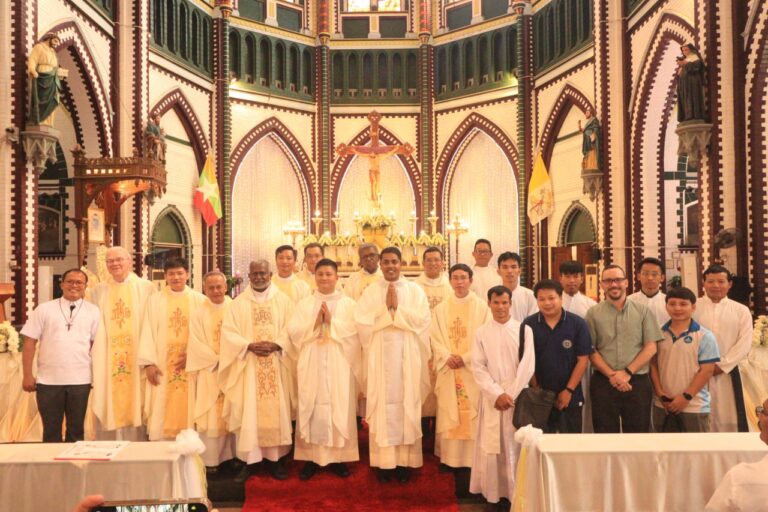
“More than two millennia of history is a miracle,” Bishop Henry Eikhlein stated. “The survival of the Karen language, culture, and traditions until today is purely the grace and goodness of God.”
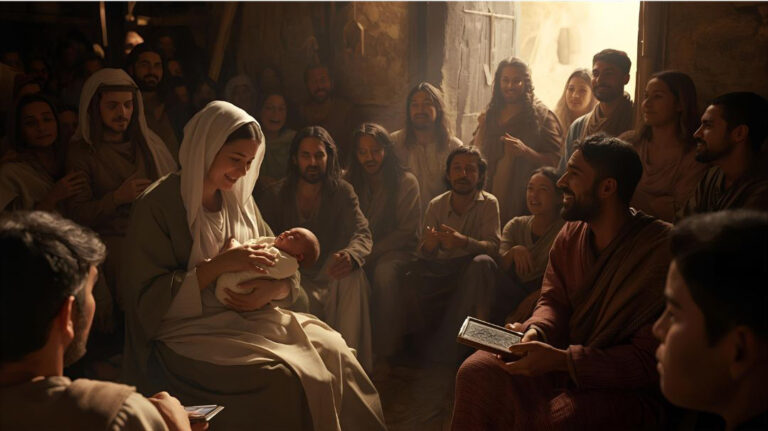
Today, we are given two stories of miraculous births, stories that teach us that God’s greatest gifts are often preceded by a period of waiting, prayer, and divine preparation.
God is not as interested in our initial, pious words as He is in our final, repentant actions. He looks past the polished "yes" of the self-assured and seeks the humble, stumbling "yes" of the sinner who turns back to Him.
The Word of God today presents us with a striking contrast: the clear, prophetic vision of an outsider who sees God’s plan, and the spiritual blindness of religious insiders who cannot recognize God’s presence in their midst.
We are called to rejoice not because our journey is over, but precisely because we are on the way, because the One for whom we long is so glorious that the very act of waiting for Him transforms us.
The Prophet Elijah's story and its fulfillment in John the Baptist illuminate the path of every witness who prepares the world for Christ—a path that often leads through the fire of suffering but always radiates with the light of truth.
Bishop Henry paid tribute to the forebears who built the community. “Our ancestors were visionaries,” he said. “They made a difficult decision at a difficult time. They bravely did a difficult job at a difficult time.”