
Tuesday of the Seventeenth Week in Ordinary Time, July 28, 2026
The Weeping Prophet and the Patient Harvest
Jer 14:17-22, Psalm: 78, Mt 13,36-43
My dear Sisters and Brothers in Christ,
The prophet Jeremiah, known as the “weeping prophet,” pours out his heart before the Lord. He laments the devastation of his people: “Let my eyes stream with tears day and night, without rest, over the great destruction which overwhelms the virgin daughter of my people.” The land is stricken, the cities are in ruins, and the people are suffering from famine and the sword. Jeremiah does not distance himself from their plight; he weeps with them. Yet his prayer is not a cry of despair; it is a cry of faith. He acknowledges the people’s sin—”We recognize our wickedness”—but he also pleads with God: “Do not spurn us for your name’s sake; do not disgrace your glorious throne; remember, do not break your covenant with us.”
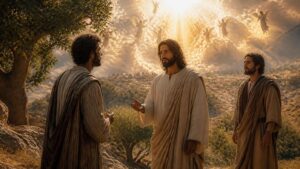
In the Gospel, Jesus explains the Parable of the Weeds. The good seed is the children of the Kingdom; the weeds are the children of the evil one. The harvest is the end of the age, and the reapers are the angels. At the end, the Son of Man will send His angels to gather all causes of sin and evildoers, and the righteous will shine like the sun in the Kingdom of their Father. The parable is a message of patience and hope. The Lord allows the wheat and the weeds to grow together until the harvest. He does not root out the weeds prematurely, lest the wheat be uprooted as well. But the harvest is certain. Justice will be done. The righteous will shine.
Jeremiah’s lament and the parable of the weeds speak to the same reality: the presence of sin and suffering in the world, and the patient mercy of God. Jeremiah weeps because he sees the devastation of sin. He calls the people to repentance and cries out to God for mercy. The parable assures us that God sees the weeds, but He is patient. He waits. He does not judge prematurely because He desires the salvation of all. The “harvest” is coming, but in the meantime, we are called to live as wheat, not as weeds, and to trust in God’s final victory.
Pope Francis has said, “The Lord’s patience is not an excuse for complacency; it is a call to conversion. He waits for us to return to Him.” Saint John Paul II, in his encyclical Dives in Misericordia, wrote, “Mercy is the greatest attribute of God, and it is the mission of the Church to bring that mercy to the world.” And Saint Augustine, reflecting on the weeping prophet, said, “Jeremiah wept for his people because he loved them. True love weeps for the sins of others and intercedes for their salvation.”
What does this mean for us? We live in a world where wheat and weeds grow together. We see sin, injustice, and suffering. We may be tempted to despair or to become judgmental. But the Lord calls us to patience and trust. He calls us to weep with Jeremiah—not with despair, but with love, interceding for the conversion of sinners and trusting in the mercy of God. He calls us to be wheat, bearing the fruit of holiness, even as we live among the weeds.
This week, let us examine our hearts. Are we growing as wheat, or are we allowing the weeds of sin to take root? Do we weep for the sins of our world, or have we grown indifferent? Let us trust in the Lord’s patience and His promise of a final harvest. Let us pray with Jeremiah: “Remember, do not break your covenant with us.” And let us strive to shine like the sun in the Kingdom of our Father. Amen.
May God bless you all!
If this homily inspired you, please
📱 Follow us on TikTok: @mmrvals
📺 Subscribe on YouTube: Myanmar RVA Language Services – YouTube
🙏 Prayer Request: Drop a comment below if you’d like us to pray for you or someone you love. We’ll remember you in our prayers!