
‘Our Common Home’: Five Faiths Unite in Myitkyina for Peace and Environmental Care
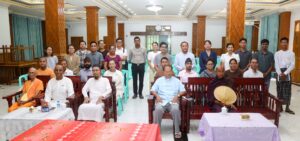
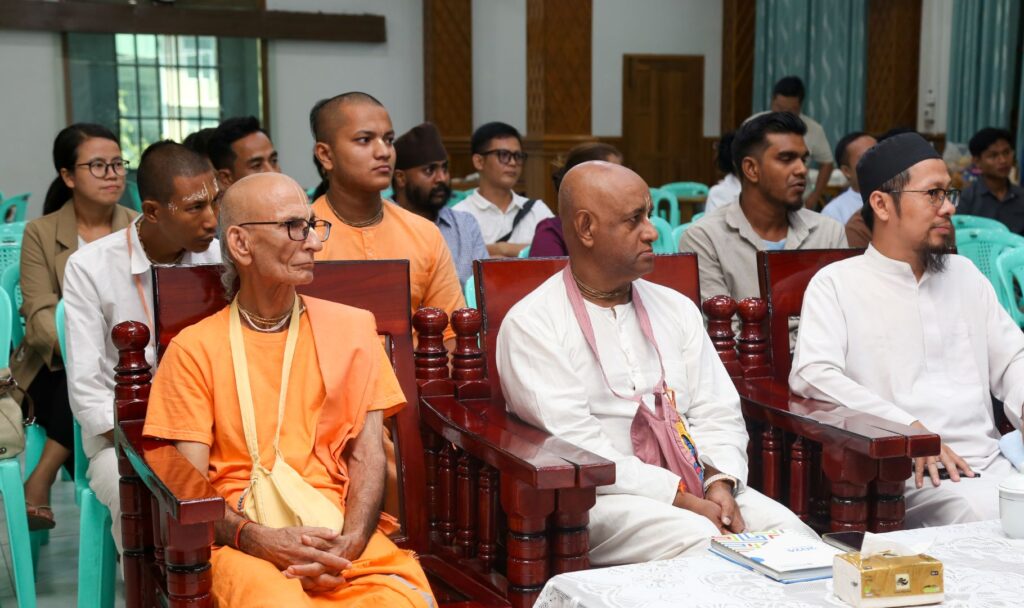
Religious leaders from Myitkyina representing five major faith traditions gathered in Myitkyina, Kachin State, on September 26, 2026, to strengthen interreligious relationships, promote peaceful coexistence and social cohesion, and discuss their shared responsibility to care for the environment amid the growing challenges of climate change.
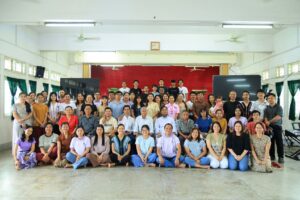
Around 30 participants representing Buddhism, Christianity, Islam, Hinduism, and Sikhism attended the gathering, held from 9:00 a.m. to 12:00 noon at St. Thomas Hall in the Catholic Diocese of Myitkyina.
The meeting brought religious leaders together to share how their respective faith traditions promote love, compassion, forgiveness, respect for others, and care for creation. The gathering also provided a space for dialogue on how religious communities can contribute to peacebuilding and environmental protection in Kachin State.
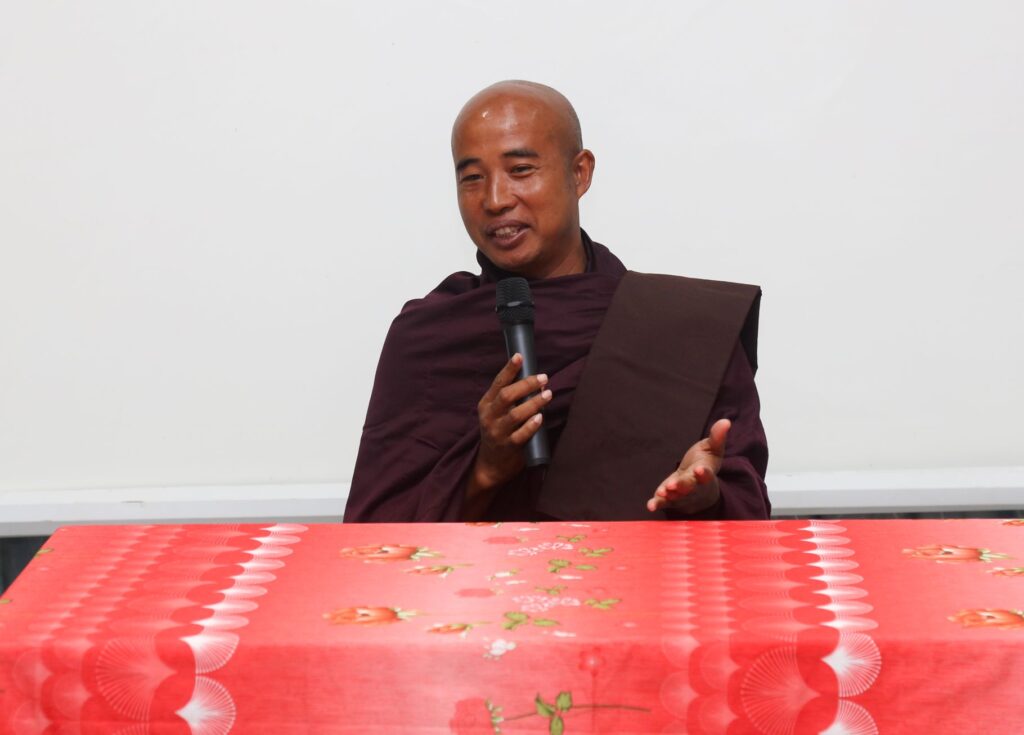
‘We Are Still Friends and Fellow Human Beings’
A Buddhist monk emphasized that religious differences should not keep people from treating one another as friends and fellow human beings.
“Whether we belong to the same religion or different religions, we are still friends and fellow human beings,” he said. “Buddhist teaching calls us to have loving-kindness toward all people and living beings.”
He stressed that love, patience, forgiveness, and compassion are essential for peaceful coexistence. “Without forgiveness and patience, there can be no genuine peace,” he said.
Turning to environmental concerns, the monk said Buddhist teaching encourages respect for nature and discourages the unnecessary destruction of trees and forests. “We must protect our water, land, air, forests, and trees,” he said. “When our forests and trees are healthy, human beings can also live healthier lives.”
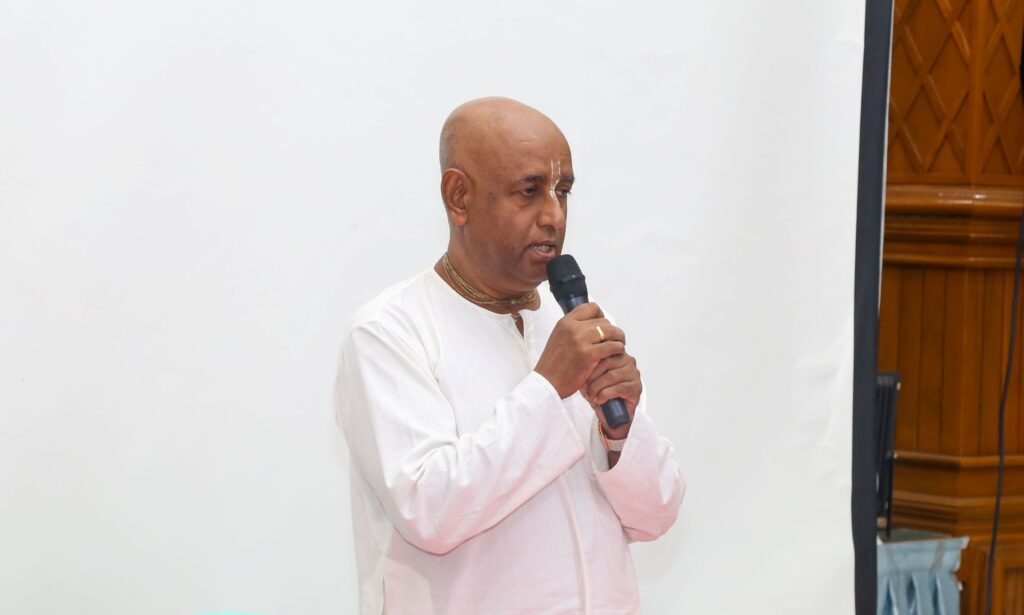
‘Religion Guides Us Toward Love’
Representing the Hindu community, Saya U Sanjay said religion teaches people to live in unity and love. He encouraged participants to respect human dignity, obey laws that serve the common good, maintain purity in their lives, help those in need, and cultivate a good heart.
“Religion guides us toward love,” he said. “It is important always to have a good heart and to see every person as a human being worthy of respect.”
Speaking about climate change, U Sanjay stressed the importance of protecting trees, water, and land. “Where there are trees, there will be clean air and water,” he said, encouraging communities to plant trees and protect the natural environment for the well-being of present and future generations.
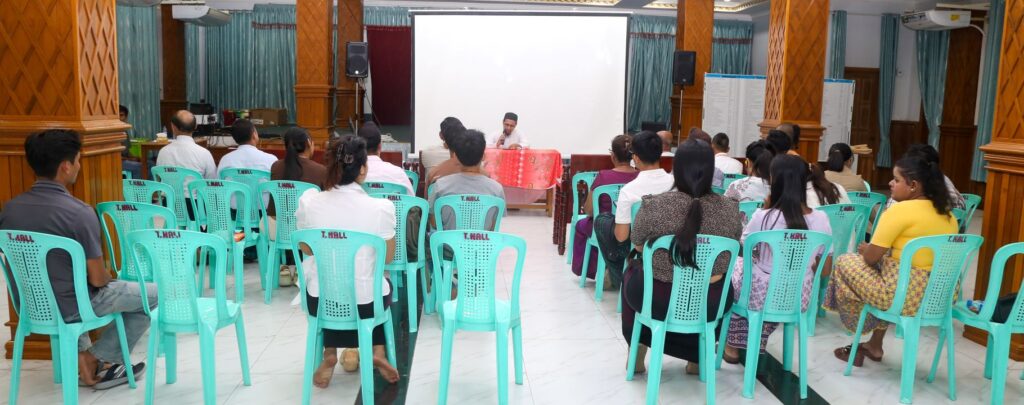
‘We Must Work Together to Put Out That Fire’
Mufti Gum San Aung, representing the Muslim community, compared the suffering and difficulties people are experiencing today to a fire that must be extinguished through collective action.
“The difficulties and suffering we are facing are like a fire,” he said. “We must work together to put out that fire.”
He said the absence of humanity, compassion, and forgiveness can contribute to division and conflict. He encouraged people to see one another first as human beings and to treat their neighbors with love and respect.
On environmental responsibility, he recalled an Islamic teaching that encourages a person to plant a seed or sapling even when the end of the world appears imminent. He said the teaching demonstrates the importance of hope and humanity’s continuing responsibility to care for the earth.
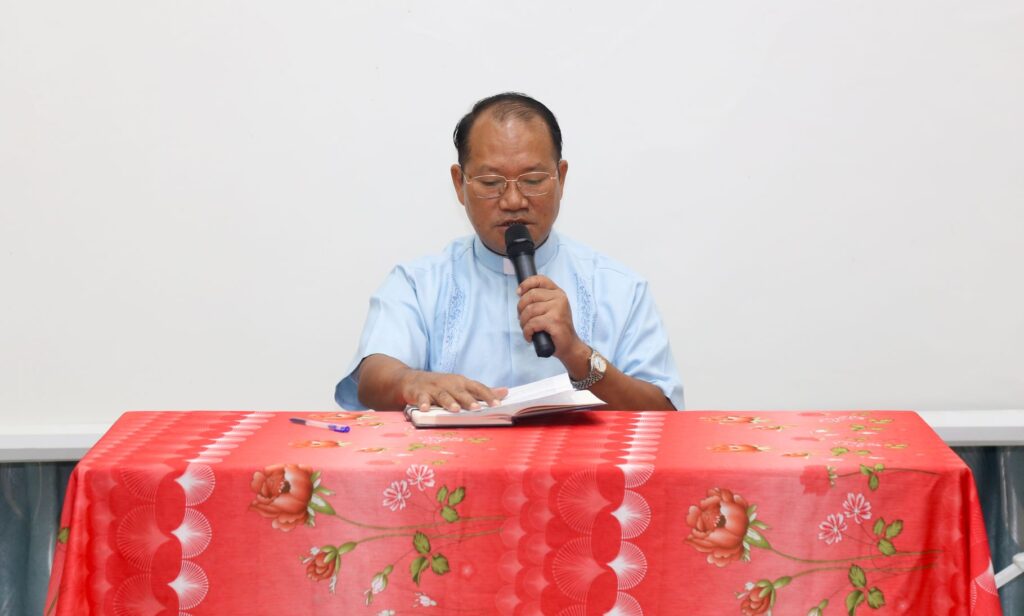
‘God Is Love’
Msgr. Dr. Peter Hka Aung Tu of the Catholic Church in Myitkyina reflected on the Christian understanding of love and forgiveness.
“God is love,” he said. “Jesus Christ teaches us to love one another and forgive one another.”
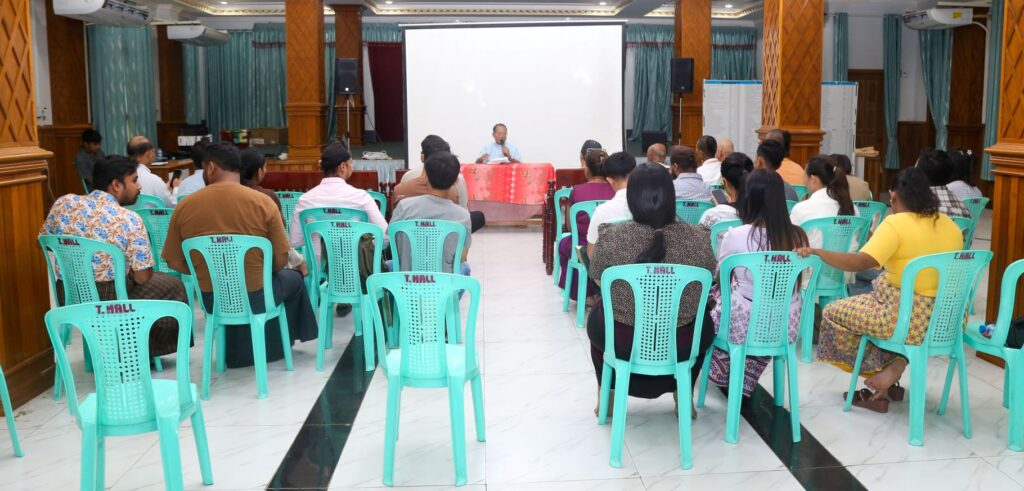
Addressing climate change, Msgr. Peter Hka Aung Tu referred to Pope Francis’ encyclical Laudato Si’, which calls humanity to care for the earth as “our common home.”
“We all live together in this common home,” he said. “We have a responsibility to protect it, care for it, and keep it clean. We must leave a healthy environment for the generations who come after us.”
‘Our Doors Are Open to Those Who Wish to Come and Learn’
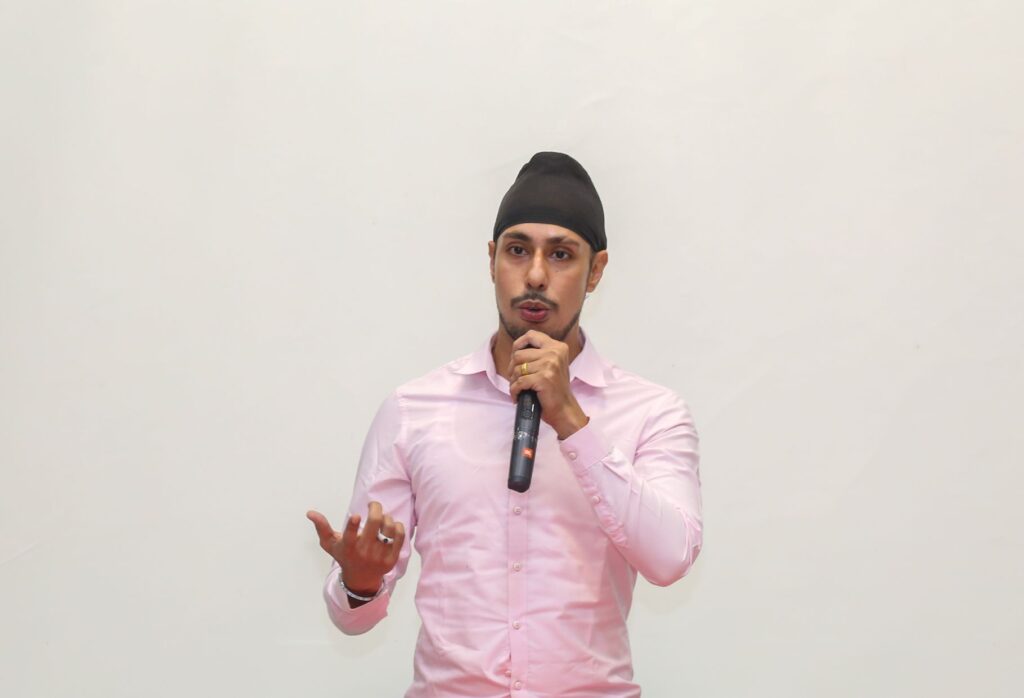
Saya Ve Ve Singh, representing the Sikh community, spoke about Sikh belief in one Creator God and the importance of continually learning to become better human beings. He explained that Sikh places of worship welcome people regardless of their background and that sharing meals is an important expression of equality, hospitality, and service.
“Everyone who comes to our place of worship can sit and eat together,” he said. “Our doors are open to those who wish to come and learn.”
Regarding climate change, he said water, air, sunlight, trees, and forests are gifts of the Creator that sustain human life. “These things are given for the good of humanity,” he said. “We should not destroy them. We have a responsibility to protect and preserve them.”
Building Relationships for Peace
Patrick Aung Tu, Diocesan Director of the Justice and Peace Commission (JPC) of Myitkyina Diocese, outlined the organization’s ongoing activities in Kachin State and explained the importance of bringing different religious communities together. He said the gathering sought to strengthen mutual understanding and social cohesion, particularly amid the uncertainties and challenges currently facing communities in Myanmar.
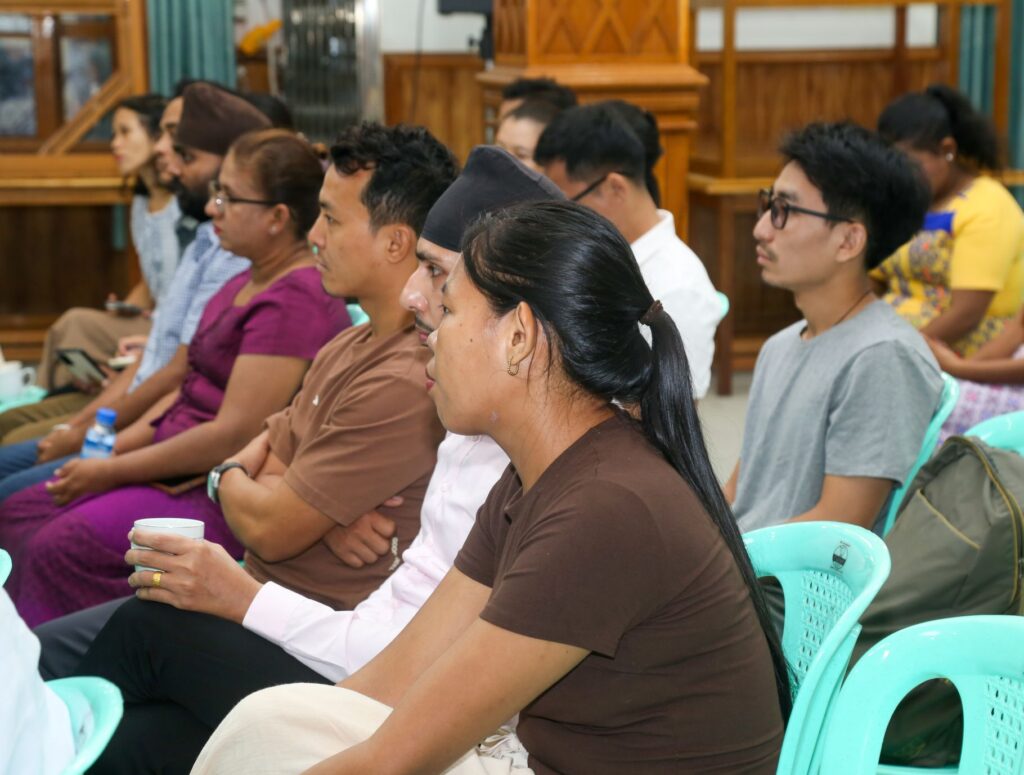
Although the participants came from five different religious traditions, their messages shared several common themes: respect for human dignity, love for one’s neighbor, forgiveness, compassion, peaceful coexistence, and responsibility for the natural world.
The three-hour gathering concluded with a shared commitment to strengthen relationships across religious communities and to continue working together for peace, social harmony, and the protection of the environment in Kachin State.
By RVA Lisu Service