
‘Workers of Salvation’: St. Padre Pio Seminary Celebrates Patron Feast in Hakha
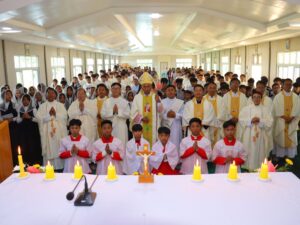
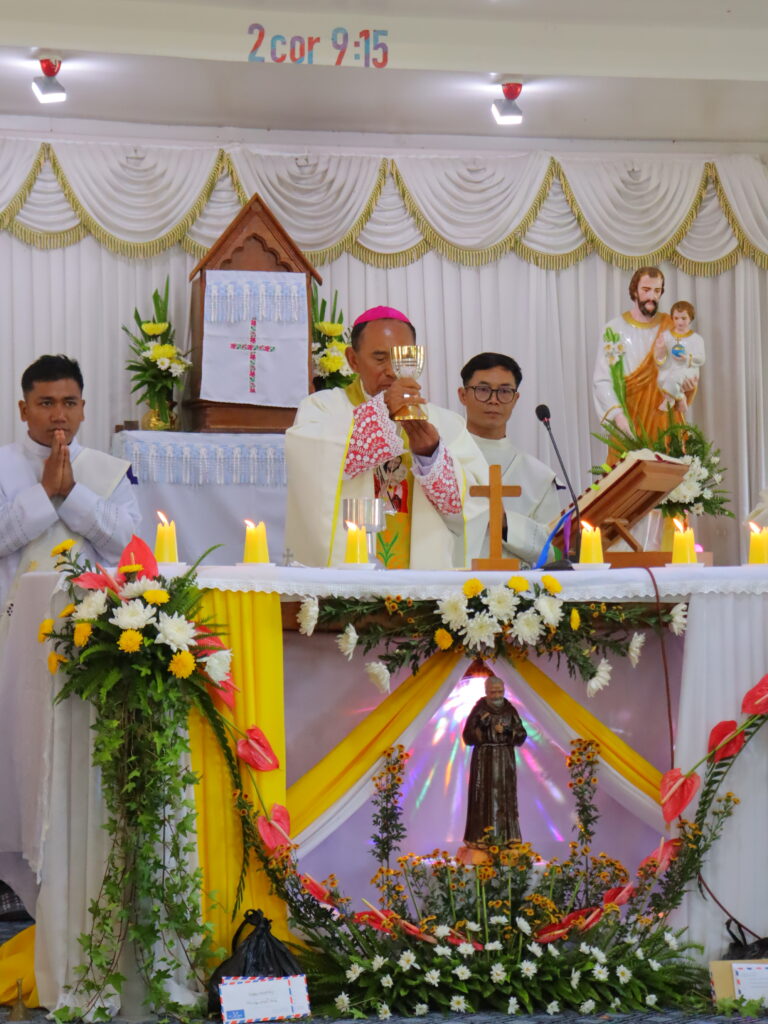
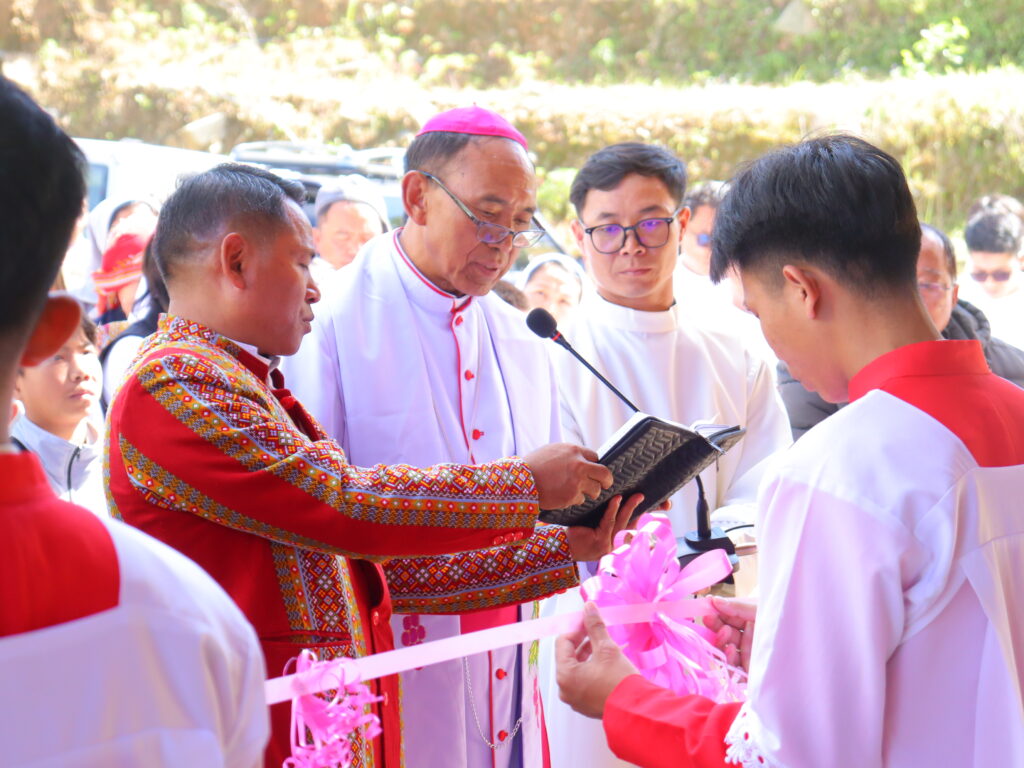
A thanksgiving Mass was celebrated at St. Padre Pio Seminary in Cawbuk, Hakha Diocese, on September 26, 2026, to mark the feast of St. Padre Pio, drawing clergy, religious, seminarians, and faithful together in prayer and gratitude.
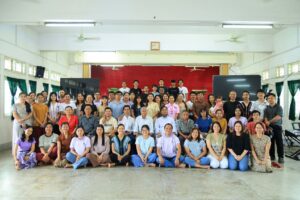
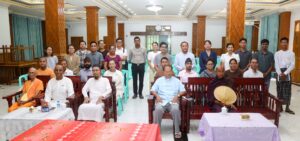
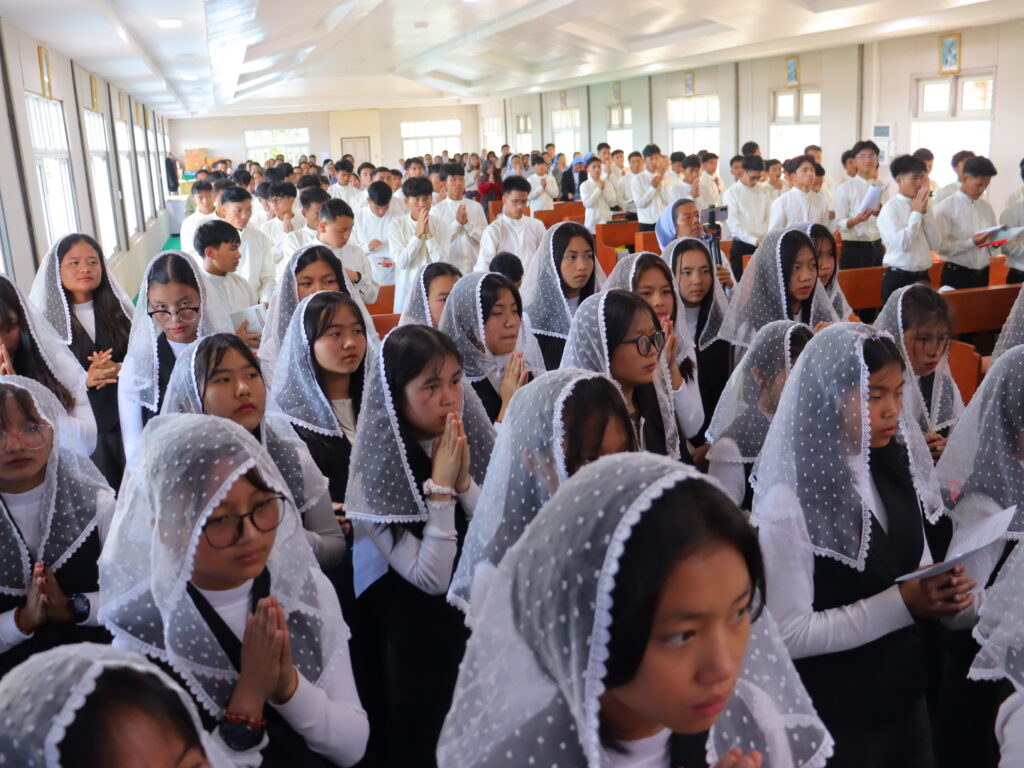
The Mass was presided over by Bishop Lucius Hre Kung of Hakha Diocese. The celebration was attended by 10 priests, two deacons, 15 religious sisters, about 60 St. Joseph boarding students, seminarians, and around 100 faithful.
Despite continued rainfall in Hakha, the weather was favorable for the celebration. Seminary Rector Fr. Lawrence Maung Ling expressed gratitude to God for the good weather and the successful celebration.
‘Seminarians Are Surrounded by Prayer’
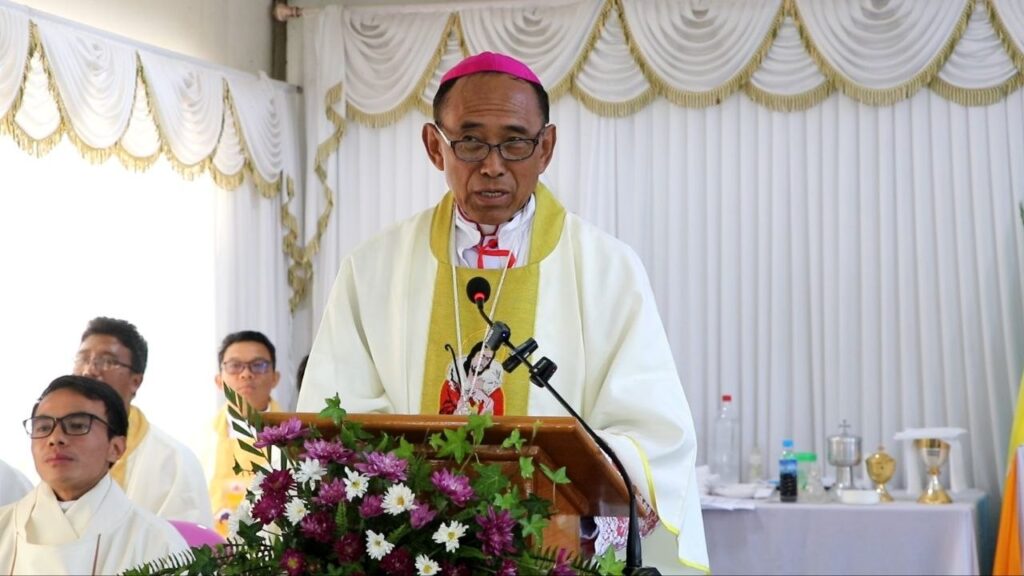
In his homily, Bishop Lucius highlighted the importance of seminarians as future servants of the Church and workers in the mission of salvation.
“Seminarians are surrounded by prayer. They are being trained and prepared for the future,” the bishop said. He added that seminarians are important to the diocese because they are being prepared to become “workers of salvation.”
The bishop explained that the Catholic faith teaches that Jesus Christ came into the world for the salvation of humanity. During his earthly ministry, Jesus called the twelve apostles, formed them, and entrusted them with continuing his mission. According to Bishop Lucius, this mission of salvation has continued from the time of the apostles until today. He stressed that the mission has involved sacrifice, suffering, change, and perseverance.
The Full Message of the Gospel
Bishop Lucius also emphasized the need for seminarians to understand the full message of the Gospel. He referred to St. Paul’s teaching in 1 Corinthians 15, where Paul reminds believers that Christ suffered, died, and rose again on the third day.
“The Gospel is not only about suffering and death. There is also resurrection and victory,” the bishop said.
He noted that some forms of Christian preaching can focus heavily on success and victory while giving little attention to suffering and the cross. He stressed that the life and teaching of Jesus include both suffering and resurrection.
The bishop also compared seminary formation with learning to imitate the life of Christ. Although modern technology makes it easy to copy documents, he said that imitating Jesus’ life is much more difficult. Referring to St. Paul’s words, “Be imitators of me, as I also am of Christ,” Bishop Lucius encouraged seminarians to learn from Christ through prayer, discipline, study, and daily formation.
He explained that priestly formation requires many years because seminarians need time to understand and live the teachings of Jesus. Immediate ministry without proper formation, he said, could make it difficult for candidates to understand the meaning of Christ’s suffering and sacrifice.
Challenges Facing Priestly Vocations
The bishop also spoke about the challenges facing priestly vocations today. He noted that some parents are increasingly reluctant to allow their children to enter seminaries, particularly in urban areas. He observed that many priests from Chin State have traditionally come from rural communities. He recalled that Jesus himself was born in Bethlehem, a small town in Judah, showing that God’s call is not limited to large cities.
Bishop Lucius encouraged the faithful to support vocations from both rural and urban communities. He also warned that seminarians need to understand the modern world without allowing worldly values to replace the Gospel.
“We need to grow biblically. We need to know about the world, but we should not give it space to become a destroyer of life,” he said.
He described the present world as one in which people can be strongly influenced by the pursuit of fame, wealth, and power, while seeking to avoid difficulties and suffering. In such an environment, he said, seminarians need strong formation to remain faithful to the Gospel.
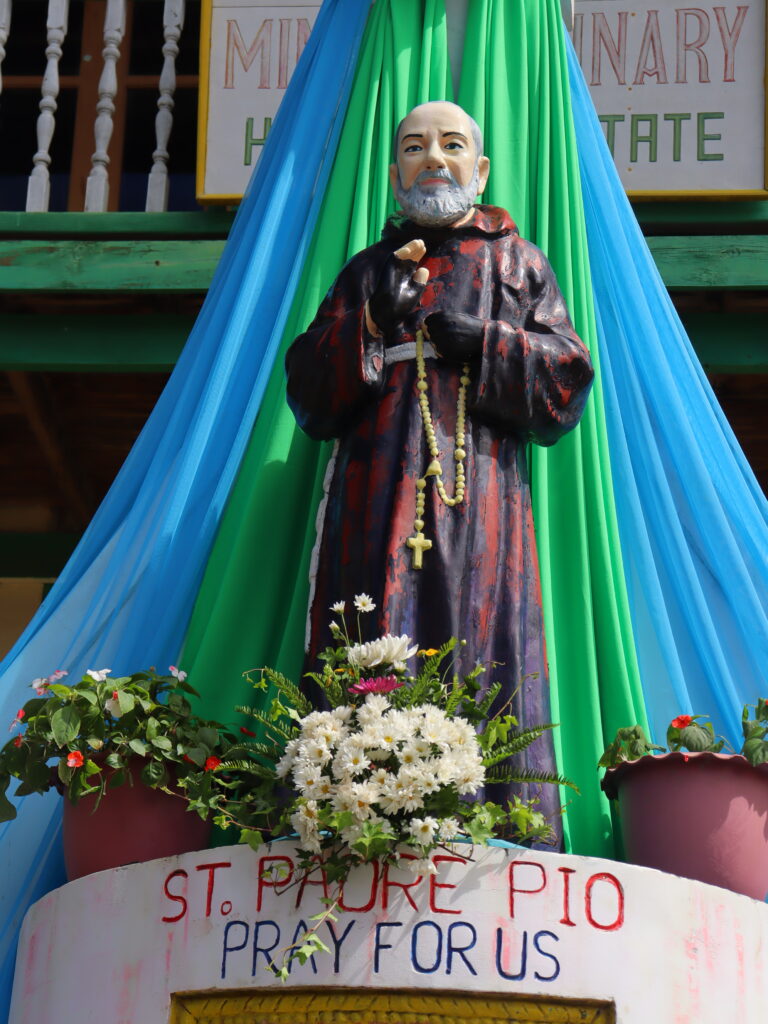
St. Padre Pio: A Model of Holiness Through Suffering
Reflecting on the life of St. Padre Pio, Bishop Lucius said the saint provides a modern example of someone who followed Christ through suffering, prayer, and holiness. St. Padre Pio received the stigmata, the wounds associated with Christ’s Passion. However, the bishop noted that the Church did not immediately accept or publicly honor these experiences. Padre Pio experienced trials, difficulties, and misunderstandings during his lifetime.
Bishop Lucius said that Padre Pio did not seek suffering or recognition for himself. Rather, his life was marked by prayer, holiness, and a willingness to follow Christ. The bishop noted that St. Padre Pio’s life eventually became an inspiration to thousands of people, and his life continues to point people toward Christ and the Christian call to holiness.
Concluding his homily, Bishop Lucius called on the faithful to pray for the seminarians and to support them with goodwill and encouragement.
“Let us pray for our seminarians today. Let us pray for them with goodwill and joy. Let us pray that they may become good servants of God,” he said. He concluded by praying that the seminarians would become “good channels of the Gospel of Salvation.”
By RVA Falam Service