Myitkyina Diocese Marks World Refugee Day with Prayer, Solidarity and Hope
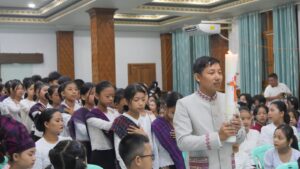
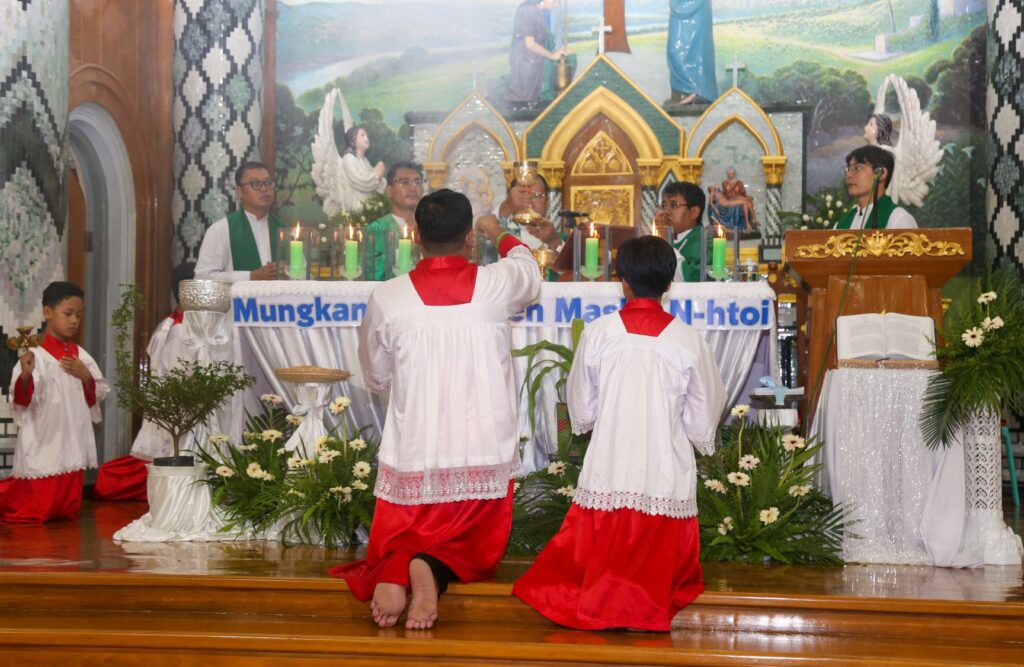
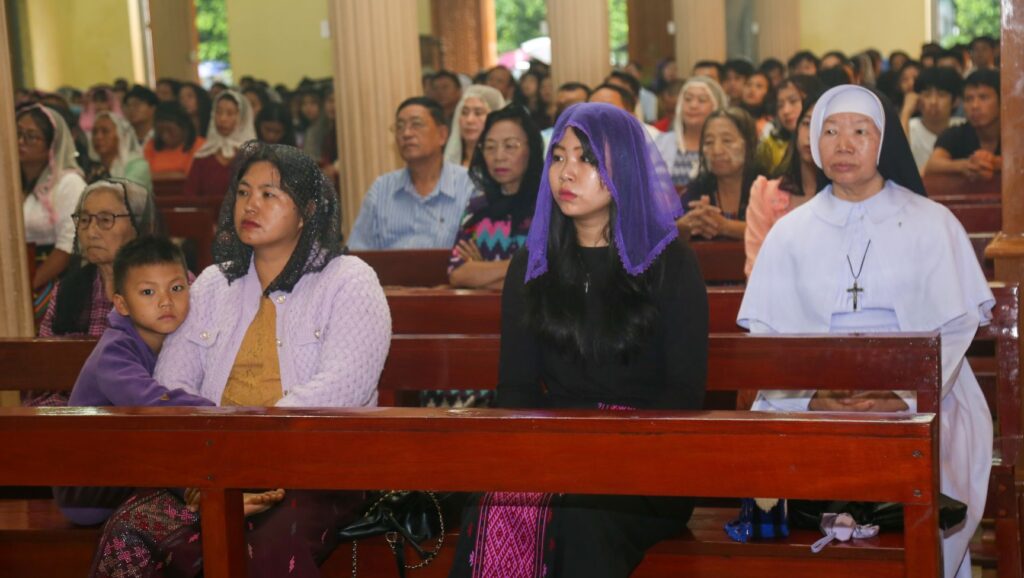
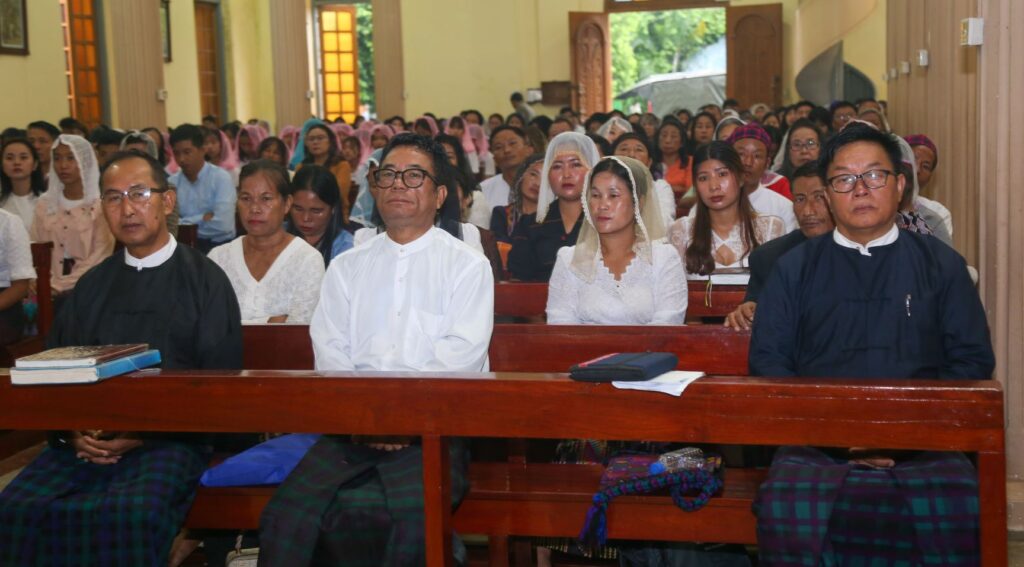
The Catholic Diocese of Myitkyina commemorated World Refugee Day on June 21 with a special Eucharistic celebration at St. Columban Cathedral, bringing together Church leaders, humanitarian workers, and approximately 400 displaced people to pray for those uprooted by conflict and hardship.
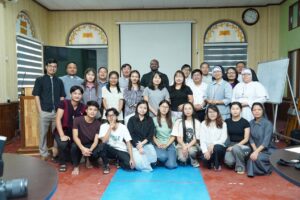
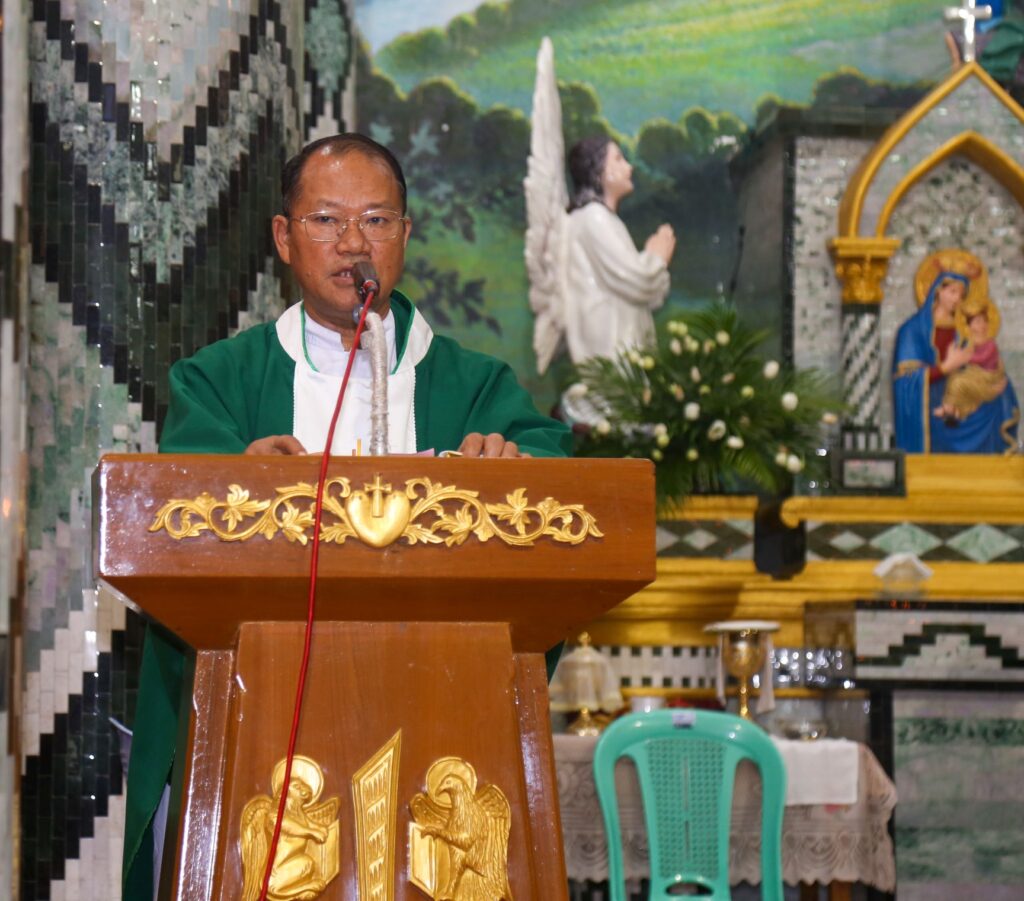
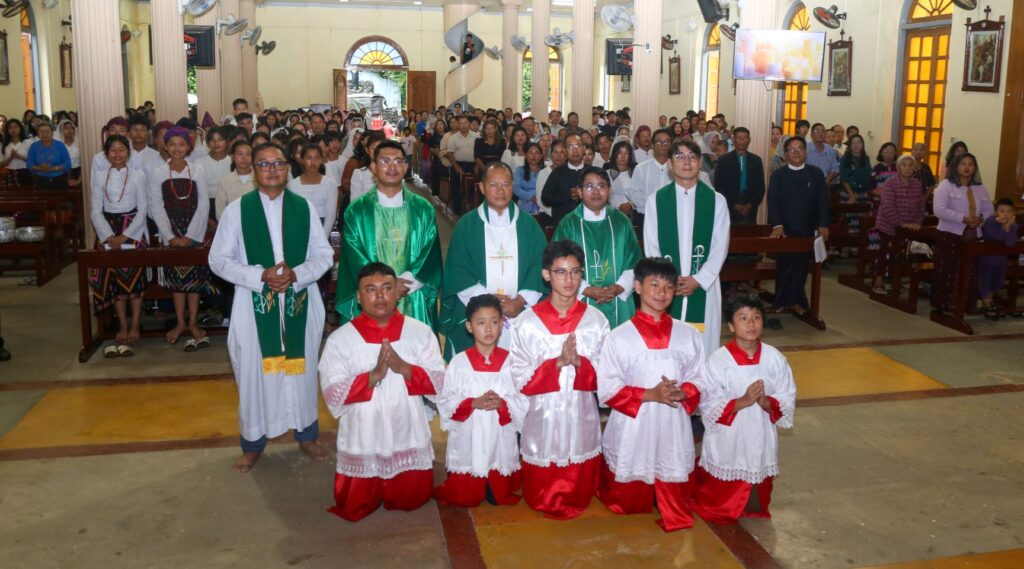
The 10:00 a.m. Mass was presided over by Msgr. Dr. Peter Hka Awng Tu, Vicar General of the diocese, and concelebrated by four priests. Religious sisters, brothers, and humanitarian workers joined refugees from across Kachin State for the solemn observance, jointly organized by diocesan commissions including the Jesuit Refugee Service (JRS), Justice and Peace Commission (JPC), Diocesan Commission for Education (DCE), KMSS-Myitkyina, Columban Missionaries, Community Health and Development (CHAD), and the Myitkyina Diocesan Catholic Health Commission (MDCHC).
‘A Man-Made Disaster’
In his homily, Msgr. Peter reflected on the staggering scale of global displacement, noting that approximately 20 people are displaced every minute due to conflict and violence.
“Thousands continue to flee from their homes because of war and violence—some crossing international borders, others seeking shelter in camps, cities, or remote mountain areas,” he said. “Many have even lost their lives while searching for safety.”
He described the refugee crisis as a tragic, man-made disaster caused largely by war and violence, urging the faithful to remember those who suffer from forced displacement.
Recalling the situation in Kachin State, Msgr. Peter explained that large-scale displacement began in 2011 due to armed conflict. Since then, the Diocese of Myitkyina has remained committed to accompanying and assisting displaced families through its various commissions and ministries.
Church’s Response to Crisis
The monsignor highlighted the contributions of different diocesan bodies in serving internally displaced persons (IDPs). The Diocesan Commission for Education supports children’s access to education, while health commissions provide healthcare services. The Justice and Peace Commission works to address social and humanitarian concerns, and the Diocese has also established a Diocesan Emergency Response Team (DERT) to respond to urgent needs during crises.
Drawing inspiration from the day’s Scripture readings, Msgr. Peter pointed to the prophet Jeremiah, who endured rejection, criticism, and abandonment from his own people but remained steadfast in his trust in God.
“Like Jeremiah, we may experience hardship, rejection, and misunderstanding, but God never abandons us,” he said. “Even when people seem to turn away from us, the Lord remains at our side. Let us continue to place our trust in Him.”
Symbols of Struggle and Hope
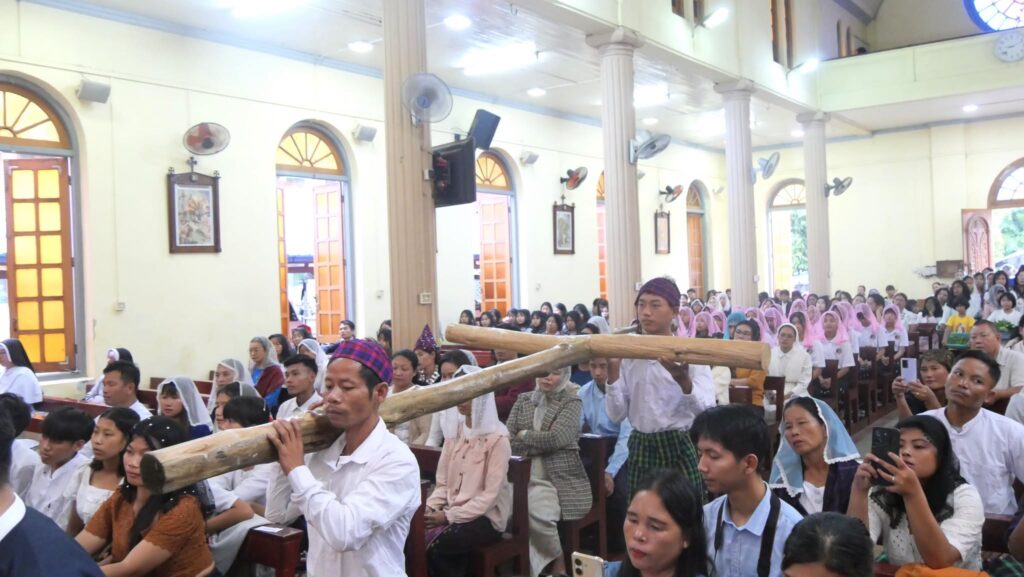
The Offertory featured symbolic offerings representing the needs of displaced families: food and clean water for daily survival, Bibles for spiritual nourishment, notebooks for education, medical supplies for healthcare, candles for justice and peace, and tree saplings for environmental care—a reminder that human dignity and creation are intertwined.
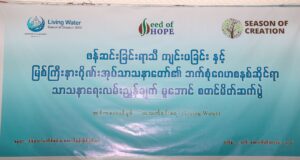
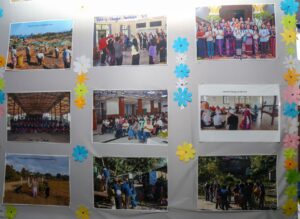
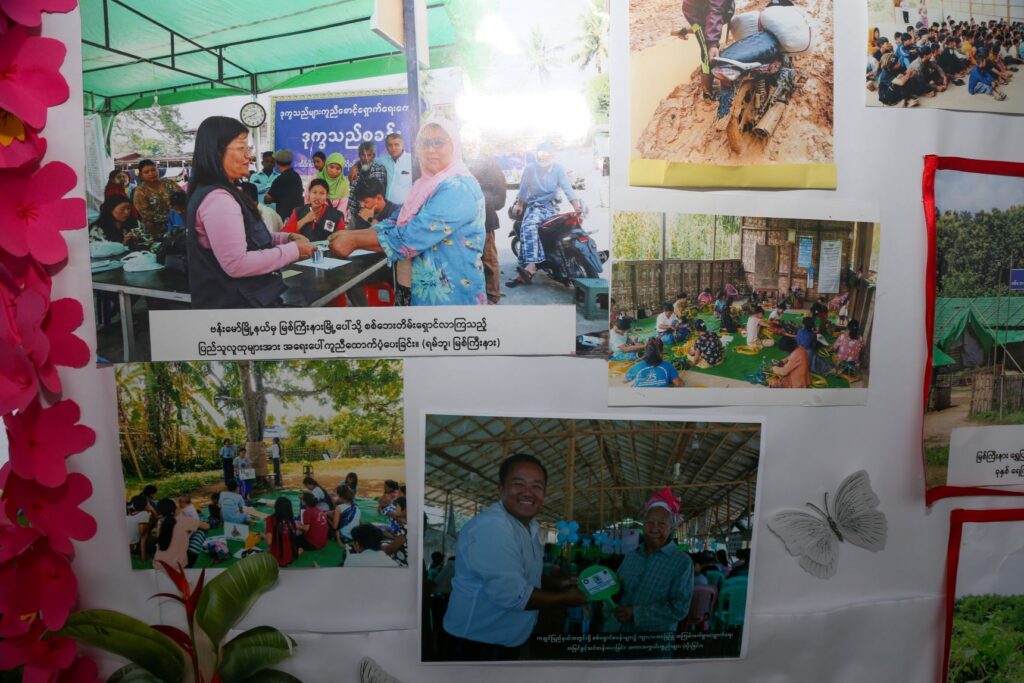
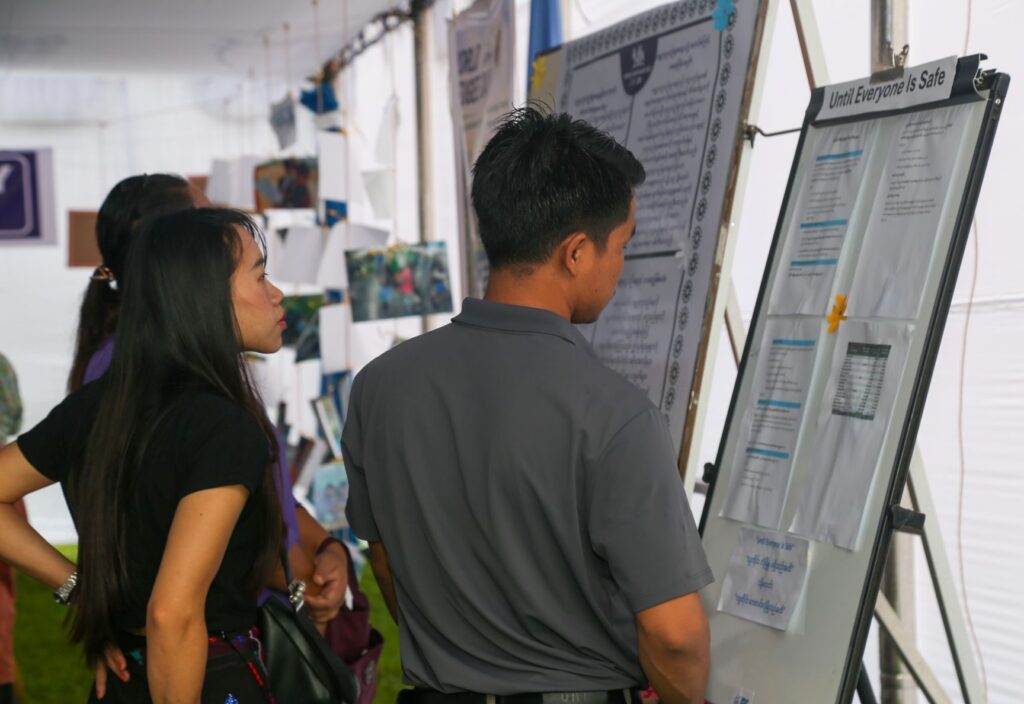
Following the Mass, participants shared a fellowship meal prepared for the occasion. An exhibition gallery highlighting the experiences, struggles, and resilience of refugees was displayed on the cathedral grounds, featuring photographs and stories that invited visitors to deepen their understanding of the challenges faced by displaced people.
The World Refugee Day observance served as a powerful reminder of the dignity of every human person and the Church’s ongoing mission to accompany those who have been forced to leave their homes—offering them hope, support, and the assurance that they are not forgotten.
By RVA Lisu Service