Thursday of the Nineteenth Week in Ordinary Time, August 13, 2026
The Measure of Mercy and the Cost of Witness
Ezek 12:1-12, Psalm: 77, Mt 18:21—19:1
Saint Maximus the Confessor, abbot
My dear Sisters and Brothers in Christ,
On this Memorial of Saint Maximus the Confessor, a theologian who suffered exile and mutilation for defending the truth of Christ’s two wills, the Church presents us with two powerful teachings: the prophet Ezekiel’s symbolic act of exile and Jesus’ answer to Peter about the limits of forgiveness. Both speak to the cost of discipleship—the cost of being a witness to the truth and the cost of extending mercy without measure.
In the Book of Ezekiel, the prophet is commanded to perform a symbolic act. He is to pack his belongings, dig through the wall, and carry them out in the twilight—all as a sign to the people of Israel that they will be exiled. The princes of Israel will be removed, and their city will fall. Ezekiel’s act is a sign, a warning, a call to repentance. He is a prophet not only in his words, but in his life. His witness costs him—he must perform a humiliating act to proclaim the truth.
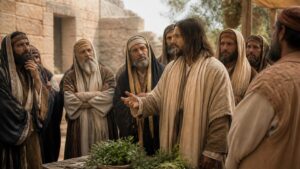
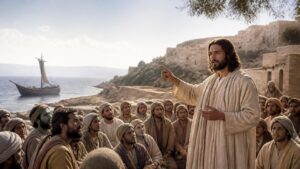
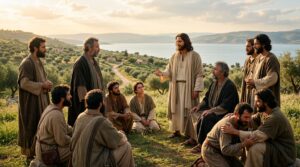
In the Gospel, Peter approaches Jesus with a question: “Lord, if my brother sins against me, how often must I forgive him? As many as seven times?” Peter thinks he is being generous. The rabbis taught that forgiveness should be given three times. Peter doubles it and adds one. But Jesus answers, “Not seven times, but seventy-seven times.” Then He tells a parable about a king who forgives a servant a debt of ten thousand talents—an impossible sum. The servant, forgiven, goes out and refuses to forgive his fellow servant a small debt. The king punishes him, saying, “Should you not have had pity on your fellow servant, as I had pity on you?”
The parable reveals the staggering nature of God’s mercy. We have been forgiven an immeasurable debt—the debt of sin, the debt of separation from God. In return, we are called to forgive the small debts others owe us. The measure of mercy we receive is the measure we must give. To refuse forgiveness is to reject the forgiveness we have been given.
Saint Maximus the Confessor understood both the cost of witness and the depth of mercy. He lived in a time of theological confusion, when the Church was divided over the nature of Christ. He defended the truth, even when it cost him his freedom and his tongue. He was exiled, mutilated, and died in exile. But he did not hold a grudge. He forgave his persecutors. He knew that the mercy he had received from Christ was greater than any debt others owed him.
Pope Benedict XVI, reflecting on Saint Maximus, said, “He was a man of profound faith, who defended the truth with courage and charity.” Pope Francis has said, “Mercy is not a theory; it is a lifestyle.” And Saint Maximus himself wrote, “The Word of God is the truth that sets us free, and the cross is the price of that freedom.”
What does this mean for us? We are called to be witnesses—to live the truth, even when it costs us. We are called to forgive—not seven times, but seventy-seven times. We are called to be like the king, who forgave the impossible debt. We are called to be like Saint Maximus, who forgave his enemies and gave his life for the truth.
This week, let us examine our hearts. Is there someone we need to forgive? Is there a truth we need to witness to, even if it costs us? Let us receive the mercy of God and extend it to others. For the measure of mercy we give is the measure we will receive. And the cost of witness is nothing compared to the joy of eternal life. Amen.
May God bless you all!
If this homily inspired you, please
📱 Follow us on TikTok: @mmrvals
📺 Subscribe on YouTube: Myanmar RVA Language Services – YouTube
🙏 Prayer Request: Drop a comment below if you’d like us to pray for you or someone you love. We’ll remember you in our prayers!