
Remembering Fr. Bareigts: The French Missionary Who Lived Among the People of Hnaring
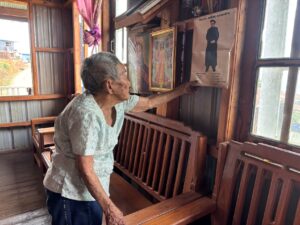
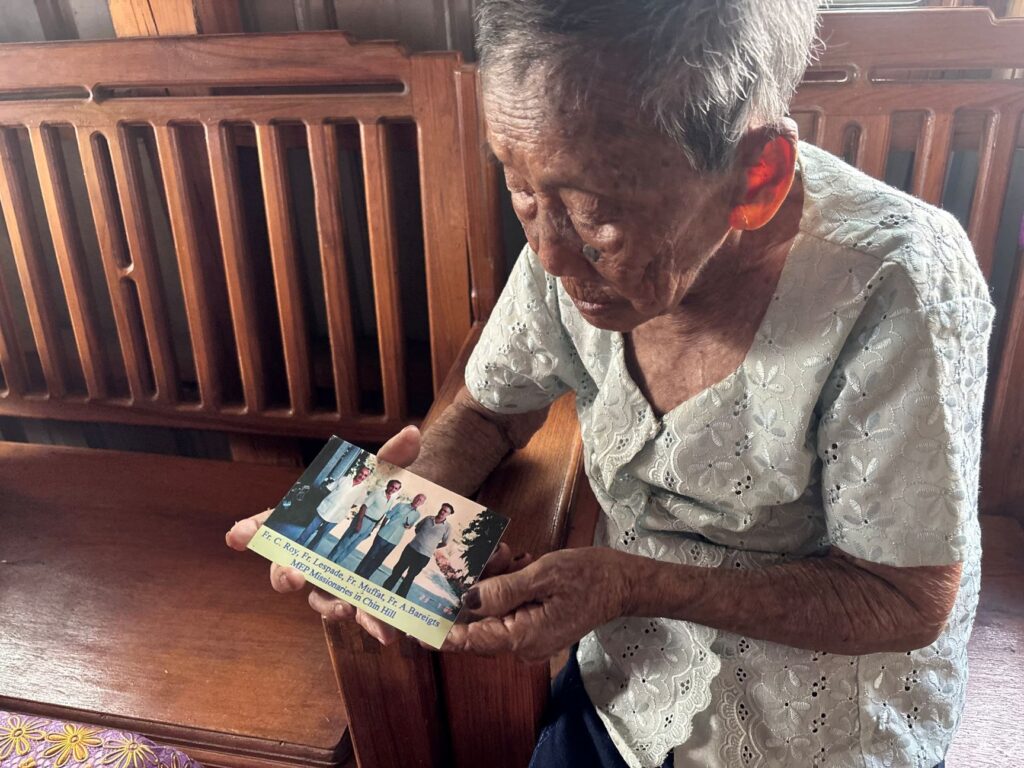
The oldest woman in Hnaring village in Hakha Diocese still keeps a photograph tucked safely inside her house. It is faded now, but the face is clear: a French missionary who arrived on the Feast of Christ the King in 1959 and refused to sit on a chair.
Maria Tle Tie is 106 years old. Her memory moves slowly but surely, like water finding its way down the Chin Hills. She lived next door to Fr. André Bareigts, a priest from the Paris Foreign Missions Society (MEP) who came to this village not to lord over people, but to live among them.
“At first, no one came to visit him,” she recalls. The villagers were wary. A foreigner in their midst, speaking a language they could not understand. But Fr. Bareigts did something unexpected. He did not wait for them to come to him. He went to them. Humble. Kind. Willing to learn.
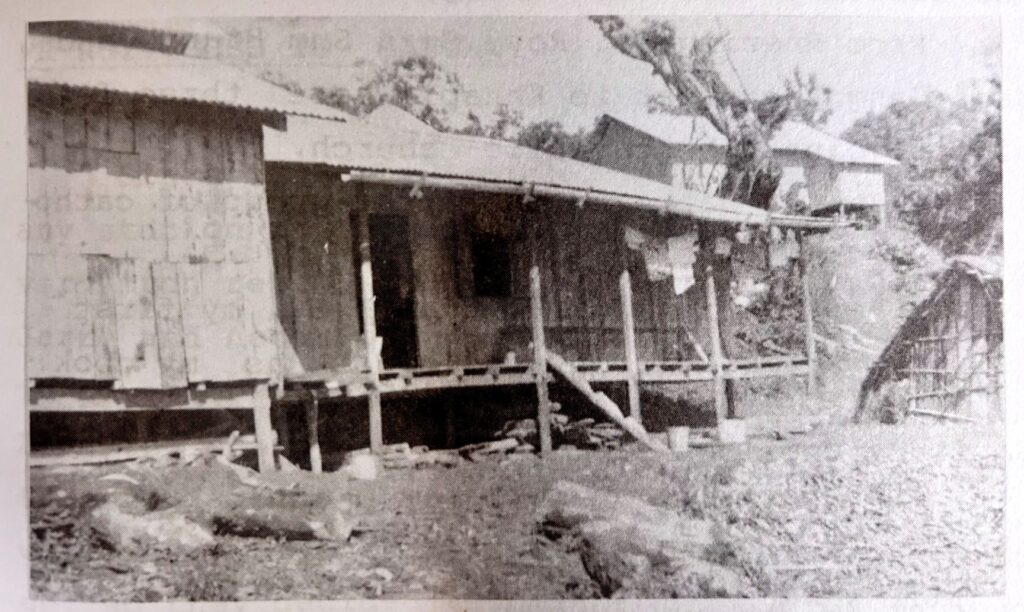
Maria became his neighbor and, soon, his teacher. She taught him the Hnaring language, word by patient word. She watched as he carefully wrote down every phrase in a notebook, repeating the sounds until his tongue shaped them correctly. “He tried so hard,” she says, smiling at the memory.
He often told her that he wanted to stay in Hnaring for the rest of his life. He had prayed about it, he said. He even hoped his family from France would come and live in the village someday.
That dream was cut short. In 1966, the government ordered all foreign missionaries to leave Myanmar. Before he departed, Fr. Bareigts gathered his friends and told them not to forget the lessons he had taught. Maria says many of his words later came true. She still remembers them.
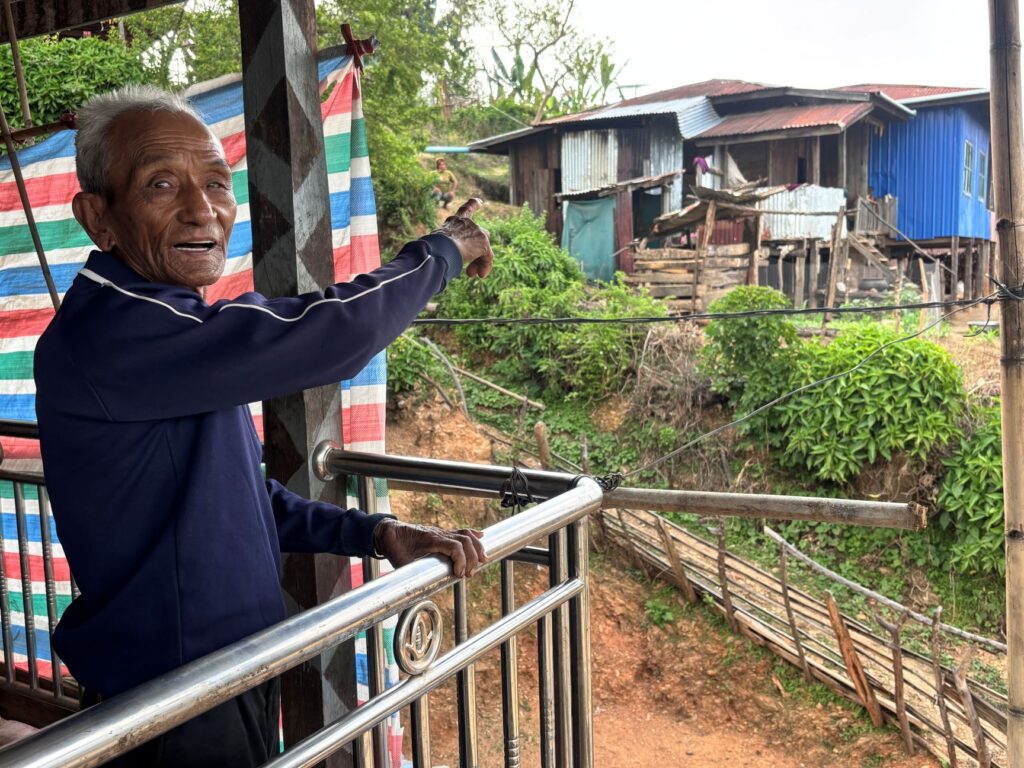
Today, she and Saya Michael Hre Hmung are among the last living souls who knew him personally. Michael was a Baptist once. He became a Catholic catechist because of Fr. Bareigts. Back then, he was considered one of the most outstanding students in the village. He recalls that the priest spent nearly two years living near local households before the church even existed on the spot where it now stands.
A Missionary Who Did Not Forbid the Wine
What made Fr. Bareigts different was his deep respect for the Lai people’s way of life. He did not arrive with a list of rules. He arrived with open hands.
Villagers still talk about how he refused to sit on a chair during gatherings. He preferred the floor, cross-legged, shoulder to shoulder with the community. When festivals came, he joined them. He shared meals. He ate with his hands—just like everyone else.
And then there was the matter of traditional wine, known as khaung-yi. Drinking it was common among the Lai people. Other missionaries might have forbidden it outright. But when villagers asked Fr. Bareigts why he did not condemn the practice, he gave a simple answer: “God has not forbidden it.”
He explained that the villagers worked hard in the fields, and if they believed the wine helped their health and strength, he would not deny them. That kind of understanding, that refusal to impose foreign standards over local wisdom, won hearts.
Pi Tial Tang, another villager, remembers how Fr. Bareigts would travel to nearby villages and return with meat given to him by generous hosts. He never kept it for himself. He distributed it to families in the community, piece by piece. “He was a wise man,” she says. “He never wanted anyone to feel less important.”
Children Came Out of Curiosity, Stayed for the Kindness
Some children first visited him simply because they were curious about the strange foreigner. One of them was Pu Zung Mang. He became a Catholic as a child, even though his family had concerns. The faith took root because the man who planted it was not distant or stern. He was gentle.
Maria’s own daughter was baptized during Fr. Bareigts’s time in Hnaring. Today, that daughter is one of the last people who can share firsthand memories of those years—a living link to a past that is slipping away.
On April 11, 1966, when Fr. Bareigts finally left Hnaring, nearly the entire village came to say goodbye. One by one, they shook his hand. Some probably held on longer than necessary.
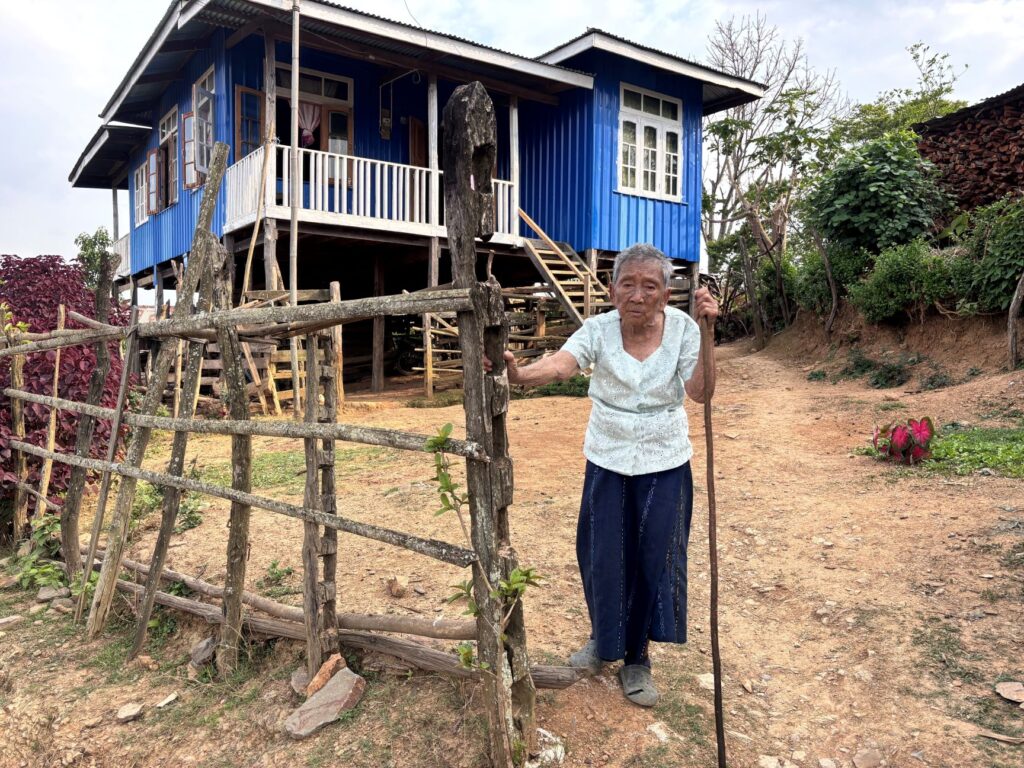
Six decades later, the church stands where the priest once dreamed of building a community. And inside a small house, a 106-year-old woman still holds a photograph. It is very valuable to her, she says. Because the man in the picture did not come to change them. He came to love them.
By RVA Hakha Service