
‘The Cry of the Earth Is the Cry of the Poor’: Myitkyina Diocese Launches Integral Ecology Framework
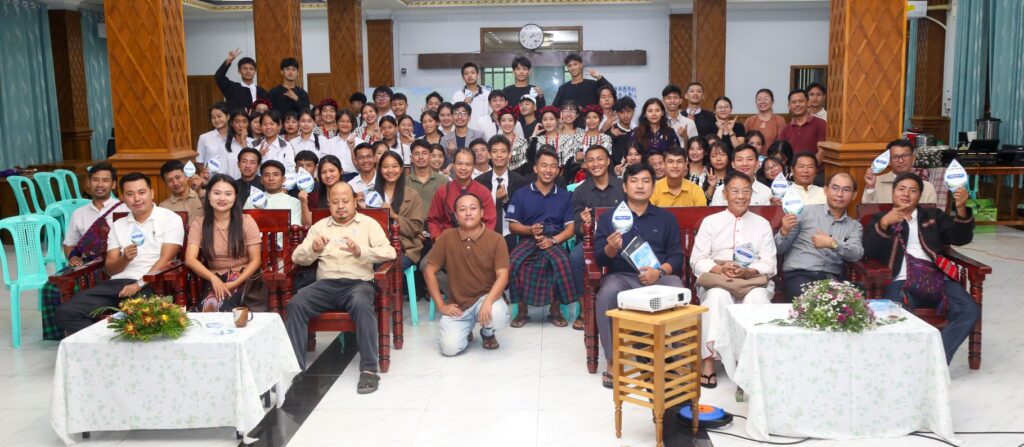
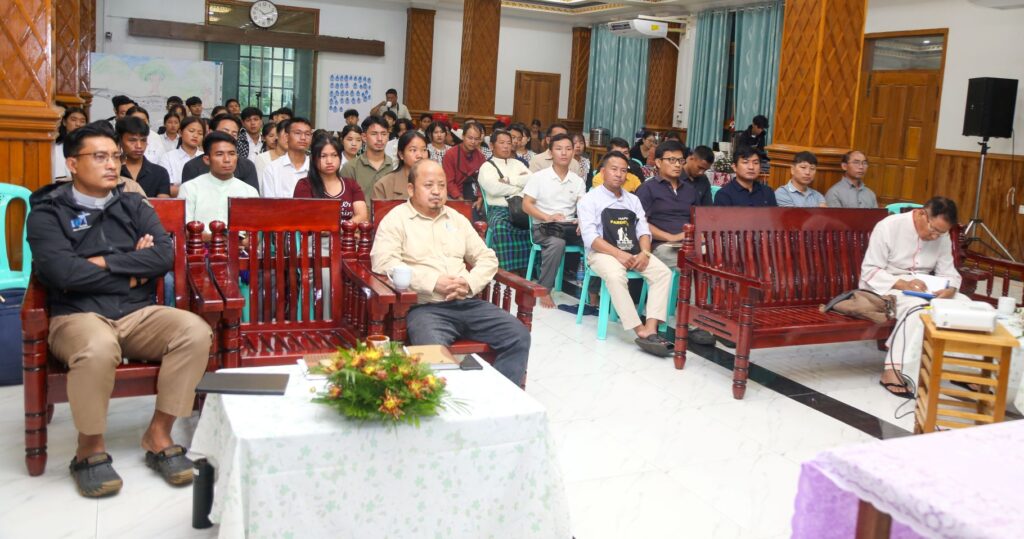
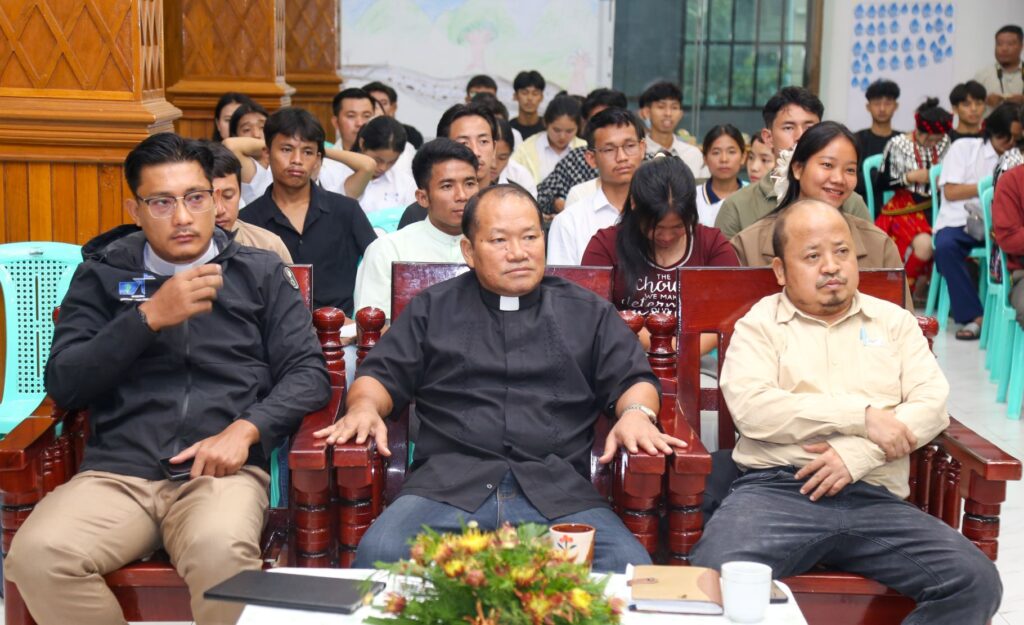
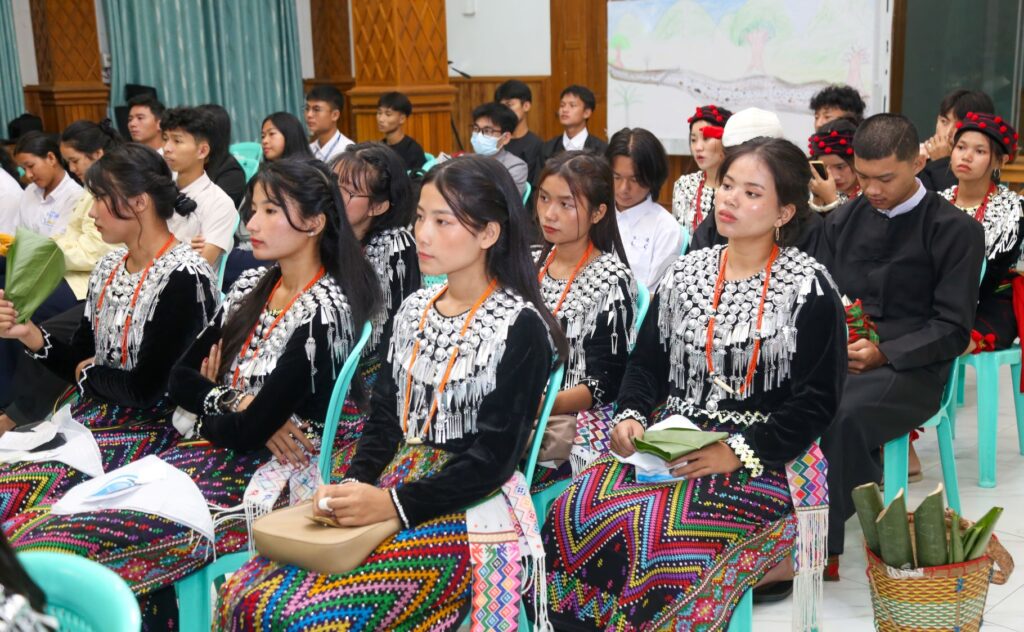
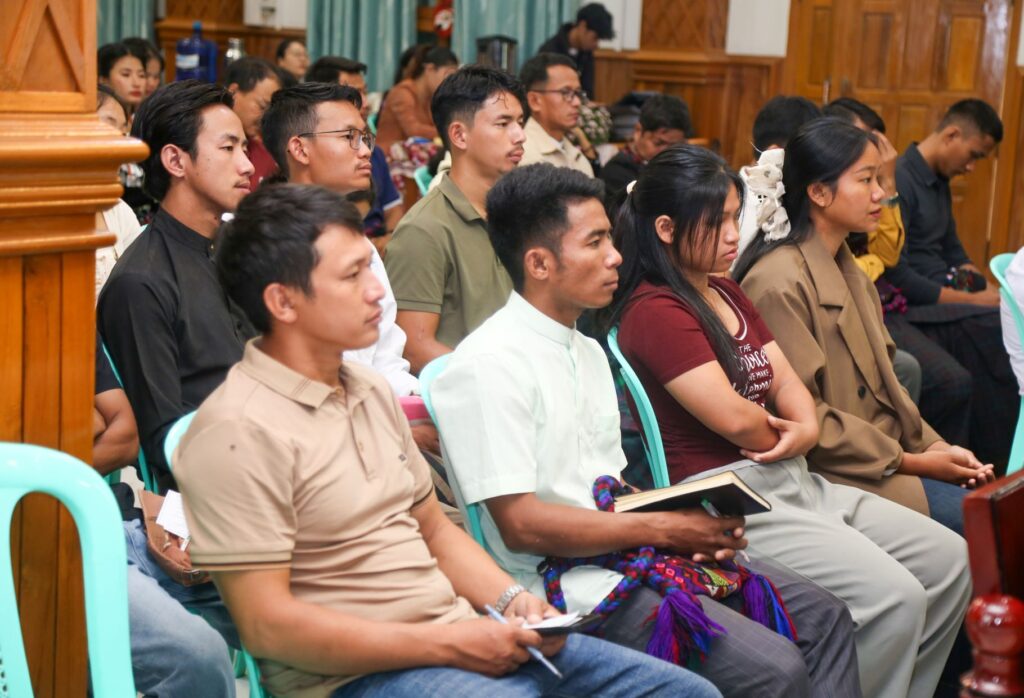
The Diocese of Myitkyina marked the Season of Creation with a special gathering focused on environmental awareness and the launch of the diocese’s Integral Ecology Pastoral Framework, bringing together around 85 participants at St. Thomas Hall on October 2, 2026.
Organized by the Justice and Peace Commission (JPC), the program from 9:00 a.m. to 1:00 p.m. drew Bishop Emeritus Francis Daw Tang, Vicar General Rev. Fr. Dr. Peter Hka Aung Tu, parish priests, catechists, teachers, students, and representatives from parishes across the diocese.
‘Our Common Home’ Under Threat
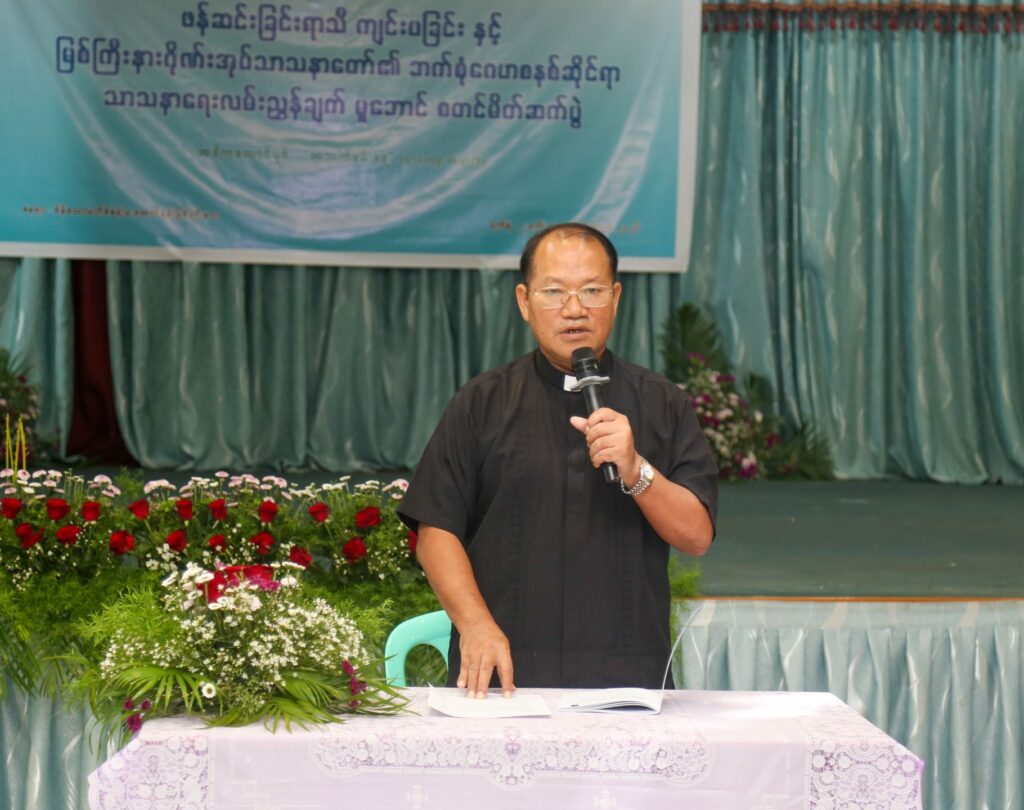
Opening the gathering, Msgr. Dr. Peter Hka Aung Tu welcomed participants and emphasized the Catholic Church’s responsibility to respond to climate change and encourage greater care for creation. He noted that the effects of climate change and environmental degradation are being experienced not only in Kachin State and Myanmar but across the world.
Drawing attention to the situation of the Mali Hka River, once known for its beauty and clean water, he expressed concern about environmental damage linked to gold mining and other human activities. He urged parishes throughout the diocese to promote greater awareness of Laudato Si’ and take practical steps to protect “our common home.”
‘Living Water’: Connecting Earth and Poor
Facilitator Mr. Christie introduced the theme of the gathering, “Living Water,” and presented key teachings from Pope Francis’ encyclical Laudato Si’. He highlighted the close relationship between “the cry of the earth and the cry of the poor,” explaining that vulnerable and poor communities often suffer most severely from environmental degradation and climate-related problems.
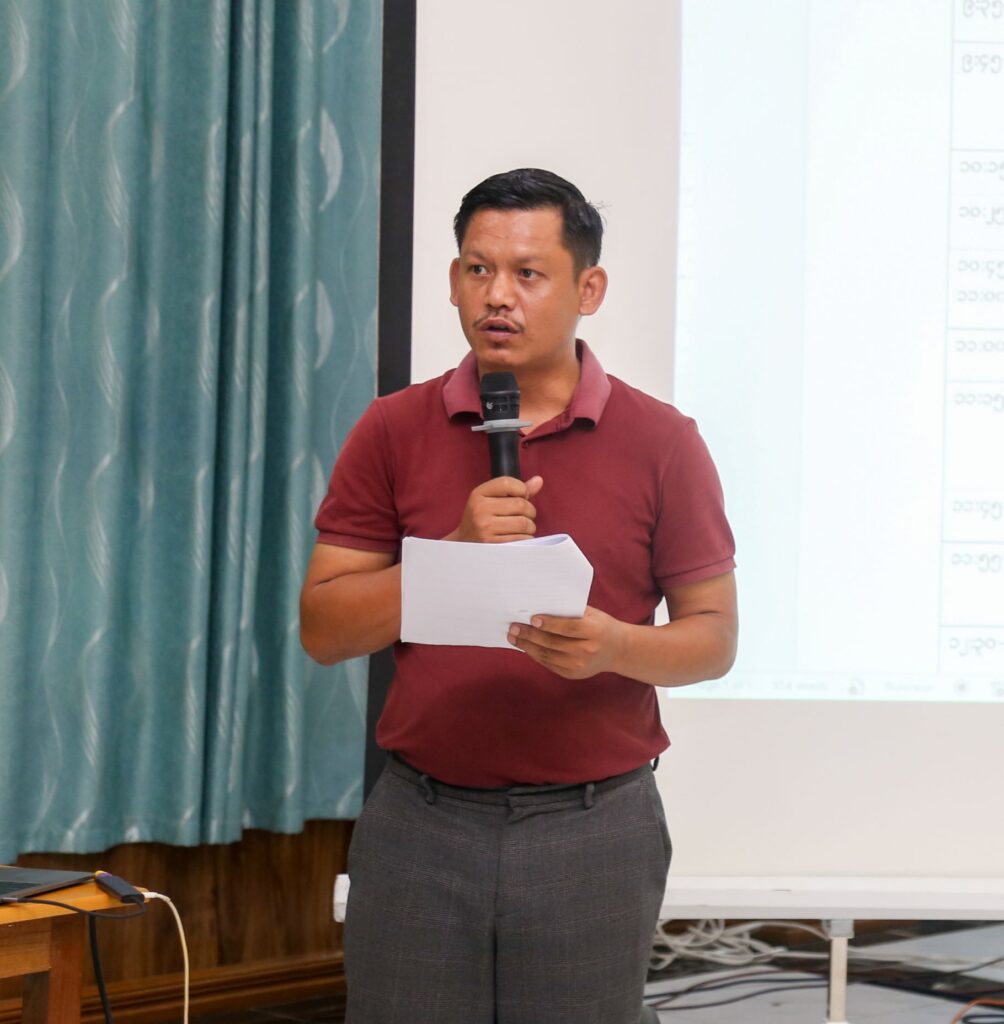
Participants were introduced to a process of See, Judge, and Act—understanding environmental realities, discerning an appropriate response, and taking concrete action. Mr. Christie discussed climate change, global warming, pollution, and environmental destruction caused by irresponsible human activities, including mining. A documentary showing the environmental impact of gold mining in Kachin State was also presented.
Environmental Crisis and Human Suffering
The discussions connected environmental destruction with the suffering of local communities affected by conflict and displacement.
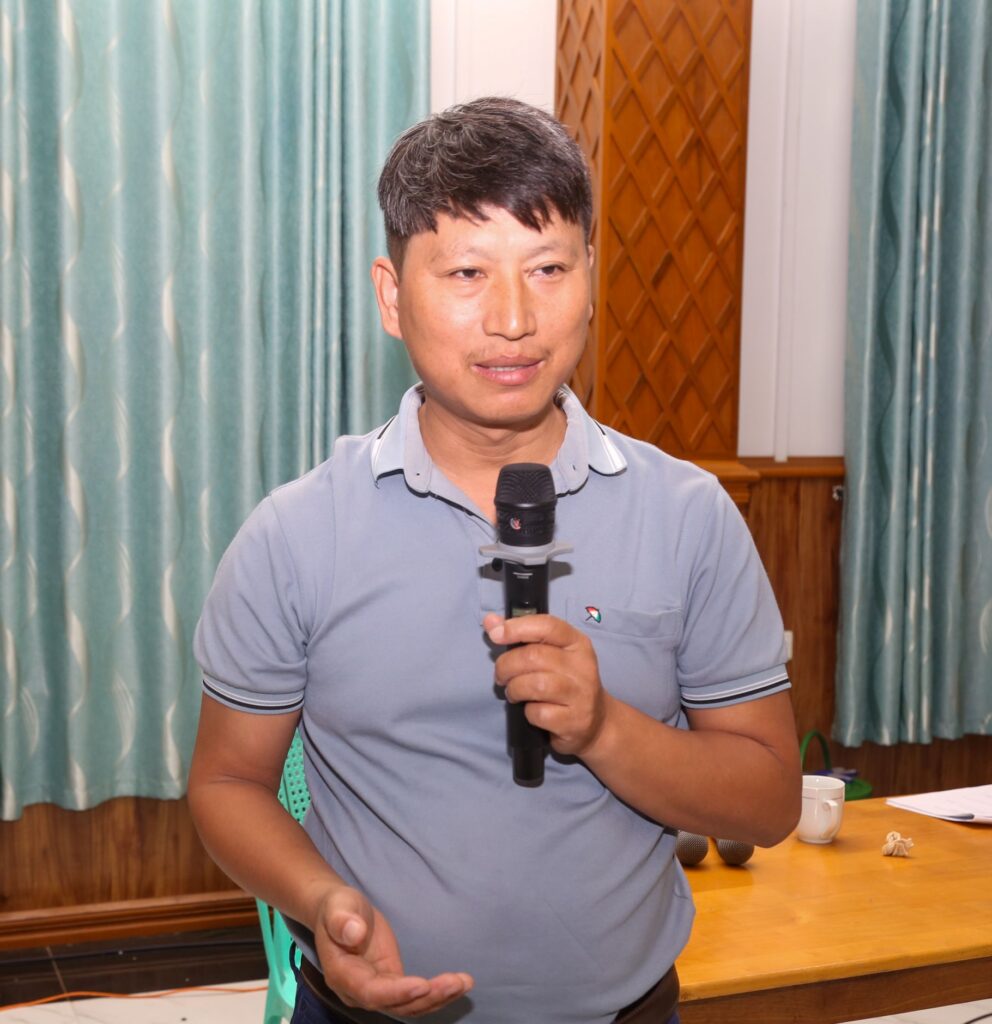
Participant Mr. Zaw Mai reflected on the testimony of an elderly woman featured in the documentary who had been displaced and was uncertain whether she would ever be able to return home. Her story highlighted how conflict, displacement, and environmental destruction can combine to leave communities facing an uncertain future.
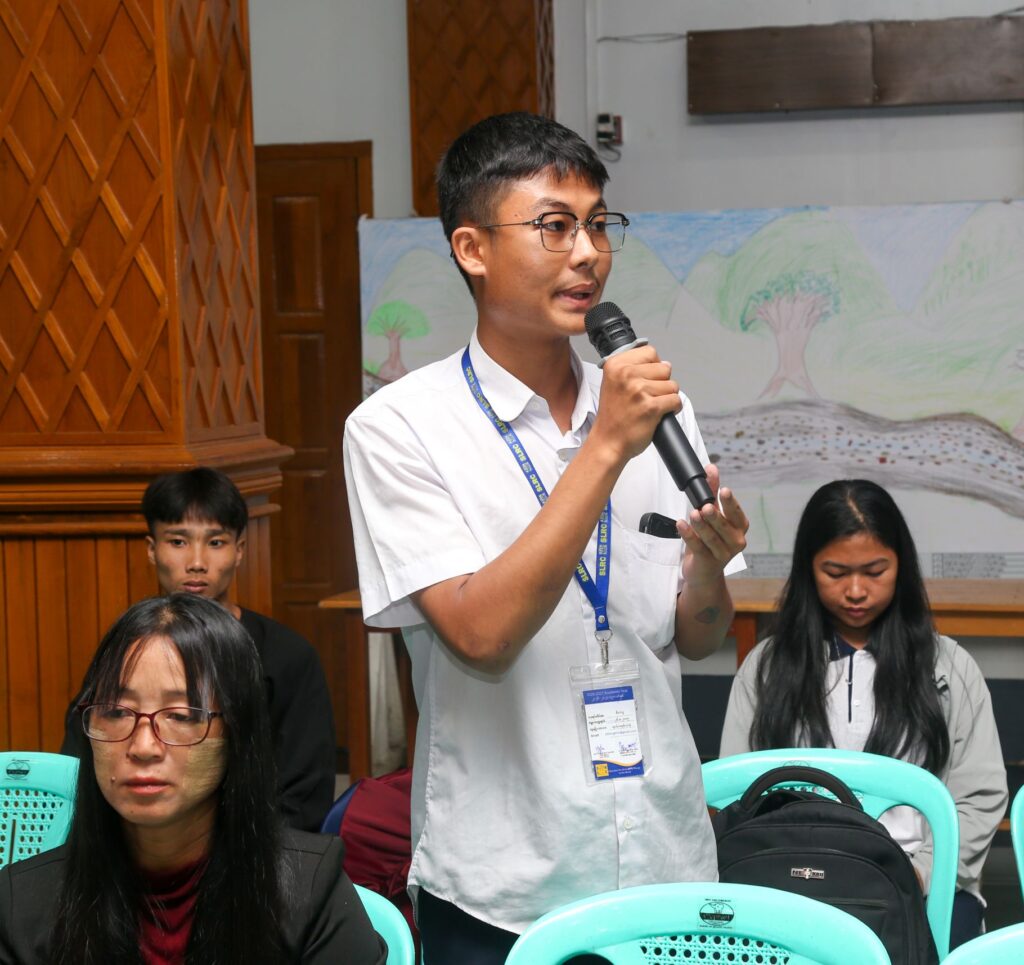
A student who attended expressed appreciation for learning about Laudato Si’, saying the presentations helped him understand more deeply the importance of water and the need to protect it.
Catechist Sut Aung from Putao reflected on changing weather patterns and their impact on people’s lives. He called on participants to work together to leave a healthier and more beautiful world for future generations.
“Let us protect our common home so that we do not leave our children a damaged and polluted world,” he said.
A Call for Concrete Action
Representing the Justice and Peace Commission, Mr. Aung Tu thanked Bishop Emeritus Francis Daw Tang, parish priests, representatives, teachers, and all who took part in the gathering. He encouraged priests and communities throughout the Diocese of Myitkyina to actively support Laudato Si’ initiatives and environmental programs, stressing the urgent need to respond to climate change and ecological destruction.
Participants were encouraged to take practical action in their families, parishes, and local communities and to recognize that caring for creation is a shared responsibility.
A Diocese Responding to the Signs of the Times
The Diocese of Myitkyina is based in Myitkyina, the capital of Kachin State in northern Myanmar. Serving Catholic communities across the region, the diocese carries out pastoral, educational, and social ministries while also encouraging care for creation and support for communities affected by social and environmental challenges.
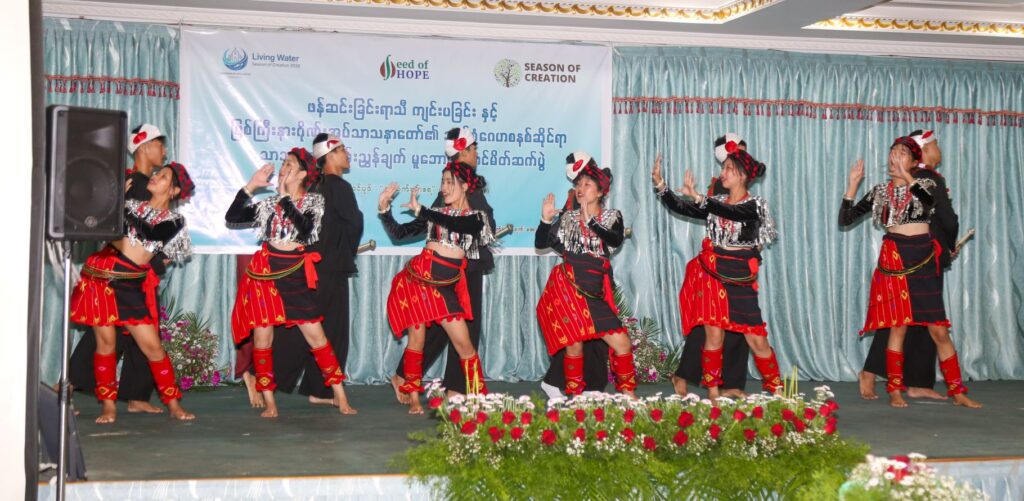
The Season of Creation gathering reflected the diocese’s continuing effort to promote ecological awareness and encourage Catholics to care for the earth as “our common home.” As the Integral Ecology Pastoral Framework is launched, the diocese seeks to move from awareness to action—recognizing that the cry of the earth and the cry of the poor are one, and that the Church must respond with both prayer and practical commitment.
The Season of Creation, celebrated annually from September 1 to October 4, is a time when Christians worldwide unite in prayer and action for the protection of our common home.
By RVA Lisu Service